Every Tokyo Neighborhood Has a Signature Sweet — Here's How to Find Yours
If you've ever ordered Japanese candy online and noticed that the packaging sometimes lists a prefecture or district name in tiny kanji beneath the product title, you've already brushed up against one of Tokyo's most delicious open secrets. Location isn't just a shipping detail in the world of Japanese confectionery — it's basically a flavor credential. The neighborhood a candy comes from can tell you more about what it tastes like than the ingredient list ever will.
Tokyo is a city of intensely local identities. Neighborhoods that sit twenty minutes apart by subway can feel like completely different worlds, and that cultural separateness extends all the way down to what people eat, gift, and celebrate with. Candy is no exception. In fact, for many districts, their signature sweet is as much a point of civic pride as a professional baseball team is in an American city. Understanding this geography doesn't just make you a more informed shopper — it makes every bite taste like somewhere specific.
Asakusa: Where Old Edo Sugar Culture Still Lives
Start in Asakusa, and you're essentially stepping into a living museum of pre-modern Japanese confectionery. This is the part of Tokyo that still moves at the pace of the Edo period, and its candy culture reflects that. The neighborhood is famous for ningyo-yaki — small, molded cakes shaped like traditional figures, filled with sweet red bean paste — and for ame-ya (candy shops) selling pulled sugar sweets that look more like glass sculpture than food.
The flavor profile here skews restrained and earthy. Sweetness is subtle, almost reluctant. Bean paste, sesame, and rice flour do most of the heavy lifting. If you're an American used to candy that announces itself at full volume, Asakusa sweets might initially read as underwhelming. Give them a second. The payoff is in the texture and the slow, quiet finish — think of it as the jazz of Japanese candy, where what's not there matters as much as what is.
For US shoppers hunting authentic Asakusa-style treats, look for wagashi sets that specifically reference Edo-style techniques. Mass-market versions exist, but they tend to pump up the sugar to appeal to broader tastes. The real thing is more restrained, more seasonal, and usually sold in quantities that suggest gifting rather than snacking.
Yanaka: Tokyo's Artisan Candy Neighborhood Nobody Talks About Enough
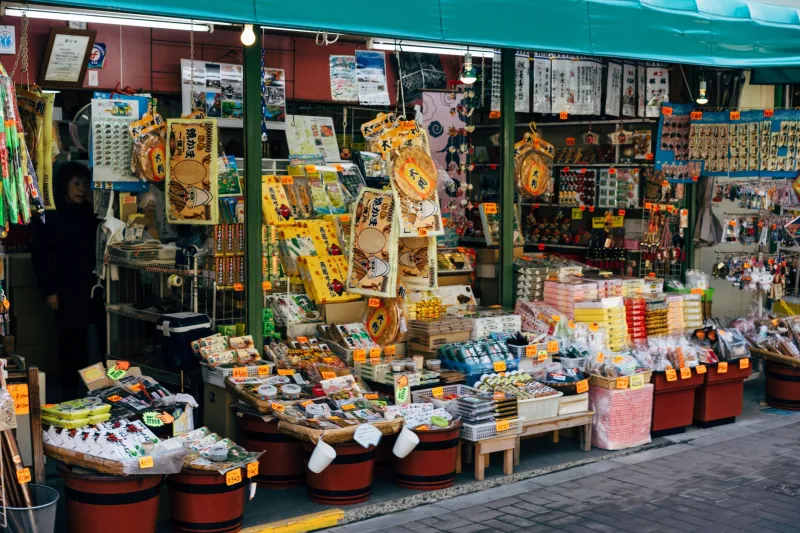
If Asakusa is the famous older sibling, Yanaka is the cooler, quieter one that serious candy people know about. This retro shopping district survived World War II bombing largely intact, which means it still has the narrow alleys, wooden storefronts, and generational shop owners that most of Tokyo lost decades ago. Several of the candy and dagashi (old-fashioned penny candy) shops here have been operating under the same family for four or five generations.
Yanaka's flavor signature leans sour and funky in a way that surprises a lot of visitors. Plum-based candies (ume anything), pickled fruit chews, and savory-sweet rice crackers are neighborhood staples. The agricultural history of the surrounding Yanesen area — which includes Nezu and Sendagi — connects to a broader tradition of preserving seasonal produce as sweet or salty snacks, which is why the candy here tastes less like dessert and more like a pantry.
For American candy collectors, Yanaka-style dagashi is a goldmine. These aren't the polished, Instagram-ready confections you see flooding snack subscription boxes. They're rougher, stranger, and genuinely harder to find outside Japan. If you spot them in a specialty Japanese grocery or import shop, they're worth grabbing.
Ginza: When Candy Becomes Luxury Real Estate
Switching gears entirely: Ginza is where Tokyo candy goes to wear a suit. This is the city's high-fashion shopping district, and the confectionery that lives here operates at a price point that would make most American snack budgets nervous. Flagship stores for brands like Higashiya and the confectionery floors of department stores like Mitsukoshi turn candy shopping into something closer to a gallery experience.
The flavor philosophy in Ginza leans toward precision and refinement. Matcha here is single-origin and ceremonial grade. Chocolate collaborations involve French couverture. Even the yokan (a dense sweet bean jelly) gets the artisanal treatment, sold in individual slices with the kind of provenance notes you'd expect from a natural wine shop in Brooklyn.
What Ginza represents for American buyers is an entry point into Japanese confectionery as a luxury category. These are the sweets you'd bring to a dinner party as a host gift, the ones you'd photograph before eating. The regional identity here is less about agricultural tradition and more about craft elevation — Ginza takes ingredients from all over Japan and refines them into something that reflects the neighborhood's obsession with excellence.
Shibuya and Harajuku: Where Candy Gets Weird (In the Best Way)
Head west toward Shibuya and Harajuku, and the entire register shifts. These are youth culture neighborhoods, and their candy scene is defined by novelty, visual impact, and the specific joy of eating something that looks completely unhinged. Harajuku's Takeshita Street is ground zero for crepe-wrapped candy hybrids, rainbow-colored mochi stuffed with unexpected fillings, and limited-edition collaboration sweets that tie into whatever anime or pop idol is dominating the cultural conversation that week.
The flavor profile here is maximalist. Sweet, sour, fruity, and occasionally savory all show up in the same bite. American palates tend to feel right at home in this part of Tokyo's candy map, because the approach — big flavors, fun packaging, emotional impact — isn't entirely unlike what drives US novelty candy culture. The difference is execution: even the most chaotic Harajuku sweet tends to be made with better ingredients and more technical care than its American equivalent.
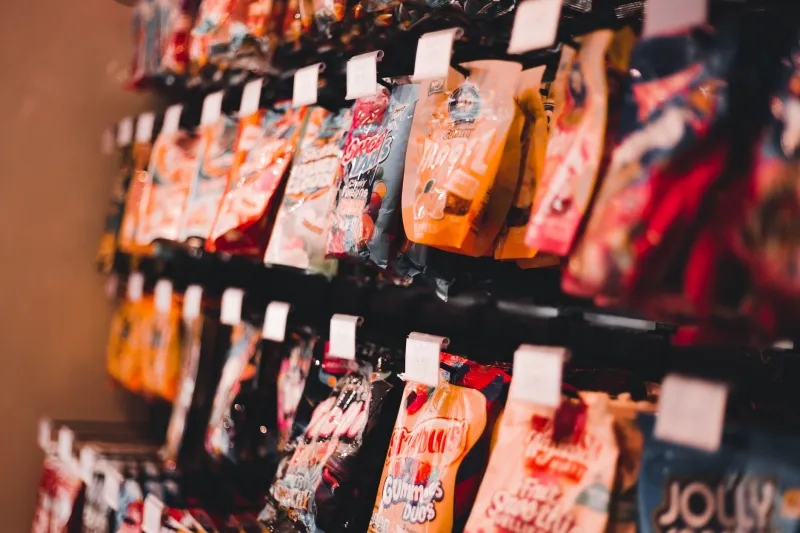
For US shoppers, Shibuya and Harajuku-style candy is the easiest entry point into Tokyo's regional sweet scene. It's approachable, social-media-friendly, and widely available through import retailers and snack subscription services. Just know that what you're getting is one slice of a much larger, more complex candy map.
How to Shop Regionally Without Leaving the US
Here's the practical part. Most American shoppers don't have the option of hopping a flight to spend a weekend eating their way through Tokyo's neighborhoods — though if you do, absolutely do that. For everyone else, the key is learning to read packaging and product descriptions the way a Tokyo local would.
Look for regional indicators: prefecture names, neighborhood references, or seasonal sourcing notes. Specialty Japanese grocery stores in cities like Los Angeles, New York, and Chicago often stock regionally specific products alongside the mass-market stuff — it just takes a little more label-reading to find them. Online Japanese import retailers sometimes organize their inventories by region, which makes the discovery process a lot easier.
The broader lesson is this: Tokyo's candy scene rewards curiosity. The more you know about where a sweet comes from — the neighborhood's history, its agricultural roots, its cultural identity — the more interesting every bite becomes. Candy isn't just sugar and flavor. In Tokyo, it's a postcard from a very specific place. You just have to know how to read the address.