Shelf Goals: Inside the American Obsession With Building Tokyo Candy Shrines at Home
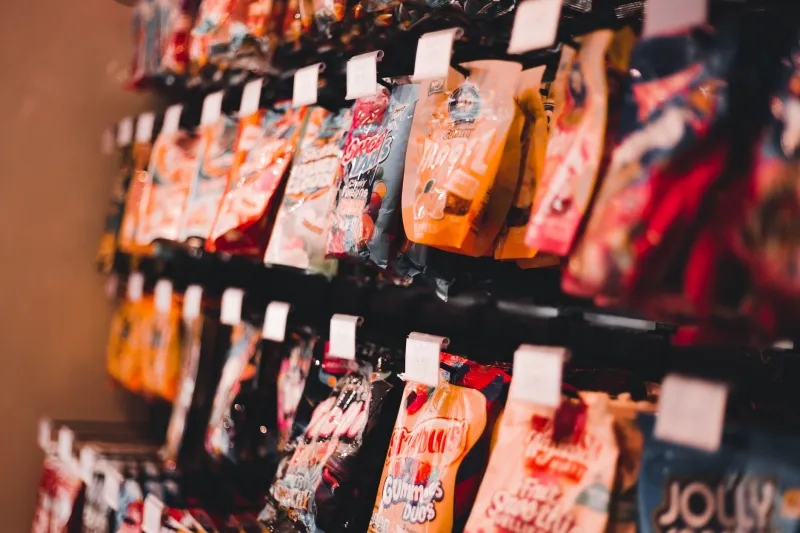
Somewhere between a Pinterest board and a fever dream, a new kind of interior design trend is quietly taking over American bedrooms, living rooms, and spare corners of studio apartments. It doesn't involve neutral linen tones or Scandinavian minimalism. It involves neon-bright wrappers, carefully arranged Kit Kat boxes, and the soft ambient glow of LED strips reflecting off a perfectly organized row of Pocky.
Welcome to the world of the Japanese candy shrine.
More Than Just a Snack Stash
If you've spent any time on the collector corners of Instagram or TikTok, you've probably stumbled across them — shelving units packed floor-to-ceiling with imported Japanese snacks, arranged with the kind of obsessive precision usually reserved for sneaker collections or vintage vinyl. But these aren't just pantry overflows. They're intentional, aesthetic, deeply personal spaces.
"It started with one shelf," says Maya, a 26-year-old graphic designer based in Austin, Texas. "I'd been ordering from Japanese snack importers for about two years, and I just... couldn't throw the packaging away. The boxes are too beautiful. So I started displaying them."
Maya's collection now spans an entire wall of her apartment, complete with floating shelves, warm-toned backlighting, and a rotating front-row display for whatever limited-edition item she's currently obsessing over. "My friends come over and they always end up just standing in front of it for like ten minutes," she laughs. "It's basically a conversation piece at this point."
The Psychology Behind the Display
There's actually a lot going on beneath the surface of these candy shrines — and it's not just about aesthetics. Collectors and psychologists alike point to a few overlapping motivations that explain why people go from casual snack buyers to full-blown curators.
First, there's the scarcity factor. Japanese candy — especially regional exclusives, seasonal flavors, and collaboration packaging — operates on a limited-release model that creates genuine urgency. When you finally track down a box of Tokyo Banana in a specialty import shop or score a rare matcha KitKat from a seller online, keeping it feels like a trophy. Eating it almost seems beside the point.
Then there's the visual appeal of Japanese packaging itself. It's no secret that Japan has elevated snack design to an art form. From the pastel watercolor illustrations on wagashi wrappers to the playful cartoon mascots on DIY candy kits, the packaging is genuinely worth looking at. Displaying it isn't hoarding — it's curation.
Finally, there's the cultural connection. For many American fans, building a candy shrine is a way of maintaining a relationship with Japanese culture between trips, between orders, between moments. "I've never actually been to Tokyo," admits Derek, a 31-year-old software engineer in Seattle whose spare bedroom has been fully converted into what he calls his "snack gallery." "But walking into that room feels like being somewhere else. It's my little escape."
The Setup: How Superfans Are Designing Their Spaces
The DIY candy shrine has developed its own unofficial design language, and it borrows heavily from the visual vocabulary of Japanese convenience stores and Tokyo's famous specialty candy shops.
Lighting is everything. Most dedicated collectors use warm LED strips or soft spotlights to give their displays that unmistakable "cozy import shop" glow. A few go the extra mile with neon signs — kanji characters, cartoon snack mascots, or simply the word "Tokyo" in glowing pink.
Shelving choices tend to skew either industrial-modern (think black metal floating shelves with clean lines) or deliberately kawaii — pastel-painted wooden units adorned with stickers, small figurines, and decorative chopsticks. Many collectors mix both, creating a layered effect that mirrors the visual density of an actual Tokyo snack aisle.
Organization systems vary wildly. Some fans arrange by brand. Others go by color, creating gradient displays that look almost too good to eat. A few collectors — the truly dedicated ones — maintain a strict rotation system, moving packaging to a secondary archive shelf once a new haul arrives, preserving their "active display" for the freshest finds.
"I use clear acrylic risers," says Priya, a 28-year-old teacher in Chicago who started her collection after a trip to Japan five years ago. "They're the same ones people use for makeup, but they work perfectly for candy tins and small boxes. Everything is visible, nothing gets buried."
Instagram Made Me Do It (But Not in the Way You Think)
It would be easy to dismiss all of this as purely Instagram-brained behavior — building aesthetically pleasing spaces just to photograph them. And sure, the candy shrine is extremely photogenic. But most collectors are quick to push back on that framing.
"The photos are kind of a side effect," says Maya. "I built the shelf because I wanted to live with it. Because walking past it every morning makes me happy. The Instagram part came later."
That said, social media has undeniably accelerated the trend. Hashtags like #JapaneseSnacks, #SnackCollection, and #CandyShelf have created a community of like-minded collectors who share haul photos, swap sourcing tips, and genuinely hype each other's displays. Seeing someone else's beautifully organized candy wall is, for many people, the origin story of their own collection.
Derek credits a single YouTube video with starting his obsession. "Some guy did a full apartment tour and had this incredible shelf of Japanese snacks in the background. I paused the video and just stared at it. Three months later I had my own version."
A Living Thing
What makes the Japanese candy shrine different from, say, a vintage toy collection or a display of souvenir shot glasses is that it's constantly evolving. Seasonal drops, limited collabs, and regional exclusives mean there's always something new to add. The display is never really finished — and that's exactly the point.
"It changes with the seasons," Priya explains. "Right now I have a lot of sakura-themed packaging from a spring order. In the fall it'll be sweet potato and chestnut flavors. It's like decorating for the holidays, but it happens four or five times a year."
For American fans who can't hop on a plane to Tokyo every time a new flavor drops, building and maintaining a candy shrine is a way of staying plugged into a culture they love — one wrapper, one tin, one perfectly placed Pocky box at a time.
And if a few of those packages eventually get opened and eaten? Well. That's what reorders are for.