Swipe Right on Ramune: Inside the Thriving Japanese Candy Trade Happening in US College Dorms

Somewhere between a chemistry midterm and a late-night ramen run, a sophomore at the University of Michigan is photographing a foil-wrapped Meiji Matcha KitKat like it's a rare Pokémon card. She didn't buy it at a store. She traded for it — three packs of Umaibo and a limited-edition Sakura Pocky she'd been sitting on since spring break. The deal went down on a Discord server with 200 members. Welcome to the underground economy of Japanese candy on American college campuses.
It sounds niche. It is niche. But talk to enough students across the country and a pattern emerges: Japanese snacks — especially the seasonal, regional, or otherwise hard-to-find kind — have quietly become a form of social currency in dorm rooms and campus common areas from Boston to Berkeley.
How It Started (Hint: It Was TikTok)
The pipeline usually looks something like this. A student sees a video of someone unboxing a Japanese snack haul. They order a subscription box or ask a friend to bring something back from a trip. They share it with their roommate. Their roommate posts about it. Suddenly, six people on the floor want in, and someone with a Japanese parent or a study-abroad connection becomes the most popular person in the building.
"I came back from visiting my aunt in Tokyo with like four bags of stuff I thought I'd eat myself," says Marcus, a junior studying economics at NYU. "By the end of the first week, I'd traded half of it for dining hall swipes, homework help, and one very good pair of noise-canceling headphones."
Marcus laughs when he tells the story, but there's a real logic to what happened. Scarcity drives value. And Japanese candy — particularly the stuff that isn't sitting on the shelves at your local H Mart or Mitsuwa — is genuinely scarce in most college towns.
The Unofficial Rulebook
Every trading community has its own norms, and the Japanese candy scene is no different. On some campuses, there are loosely agreed-upon exchange rates. A standard-edition Pocky? Low-value filler, good for small trades. Regional flavors or seasonal releases? Mid-tier, worth trading up for. Something from a specific konbini collaboration or a Tokyo-only limited run? That's top-shelf stuff, not surrendered lightly.
"There's definitely a hierarchy," admits Priya, a pre-med student at UCLA who runs a small trading group through Instagram DMs. "Anything that's genuinely hard to get — like the stuff that only drops in Japan for a few weeks — people treat it like it's a collector's item. Which, honestly, it kind of is."
Priya's group started as a way to split the cost of shipping on bulk orders from Japanese import sites. It evolved into something more organic: members post what they have, what they want, and negotiate from there. No money changes hands within the group. The whole thing runs on goodwill and mutual appreciation for a good snack.
Campus Meetups and the Social Side of Snacking
Not everything happens online. At several universities, informal candy meetups have started popping up — think swap meets, but held in study lounges and campus quads rather than convention centers. Students bring their hauls, compare notes on flavor profiles, and trade face-to-face.
At the University of Texas at Austin, a group called "Konbini Club" (unofficial, unapproved by any student organization office) meets twice a semester. Attendance has grown from a handful of friends to upward of 40 students, drawn from across departments and social circles. The common thread? A genuine enthusiasm for Japanese snack culture and the social experience that comes with sharing something unusual.
"It's not just about the candy," says Tomoko, a graduate student in cultural studies who helped organize the first meetup. "It's about the stories. Someone brings something back from Kyoto and everyone wants to know what the convenience store looked like, what else was on the shelves. The candy becomes this entry point into a whole conversation about Japan."
That cultural dimension matters. For many students, Japanese candy isn't just a snack — it's a tangible connection to a place they've visited, dream of visiting, or feel culturally tied to. The trading networks amplify that meaning. Giving someone a piece of Tokyo you carried back in your luggage is a different kind of gift than handing over a Reese's.
The Economics Get Complicated
Of course, where there's scarcity and demand, someone will eventually try to monetize it. A few students have crossed from trading into low-key reselling — buying bulk from import sites or family connections and flipping individual items at a markup. Campus reaction to this tends to be mixed.
"It feels off when people start charging $8 for a single KitKat," says Marcus. "That's not what it's supposed to be about."
But others are more pragmatic. Shipping costs money. Import markups are real. And if you're the person doing the legwork to source genuinely rare stuff, a small return on that investment doesn't seem unreasonable to everyone in the community.
The tension between gift economy and market economy is something students navigate constantly — and it mirrors bigger conversations happening in collector communities everywhere, from sneakers to vinyl records to, yes, actual Pokémon cards.
What It Says About Gen-Z and Food Culture
Zoom out a little and the Japanese candy trading phenomenon starts to look like something larger: a generation using food as a vehicle for community, identity, and cultural exploration. These students aren't just eating snacks. They're building rituals around them, assigning meaning to them, using them to signal taste and curiosity and connection.
Japanese candy is particularly well-suited to this role. The packaging is beautiful. The flavors are genuinely surprising. The seasonal and regional variation creates a built-in scarcity that makes discovery feel like an achievement. And the cultural distance — the fact that these are products designed for a market thousands of miles away — gives them an exotic quality that domestic snacks simply can't replicate.
"There's something exciting about eating something that wasn't made for you," Tomoko says. "It feels like you're in on something."
The Konbini, Reimagined
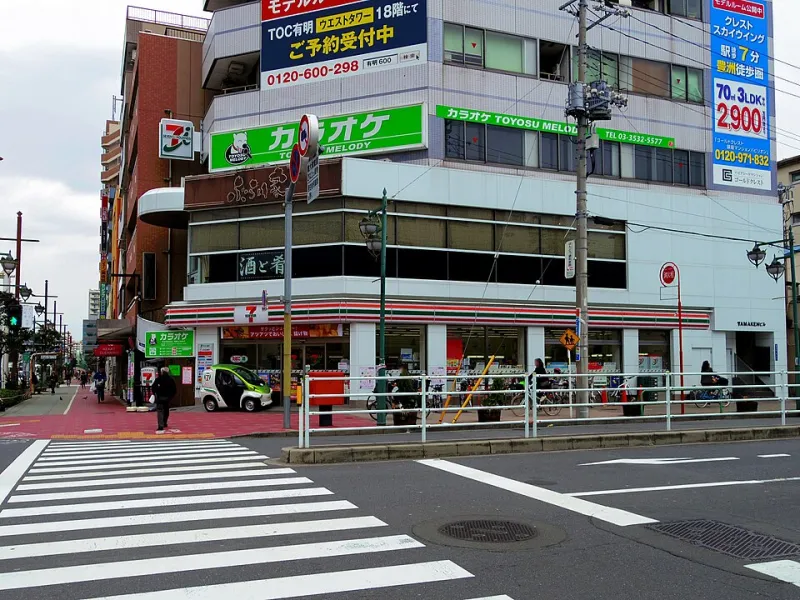
In Japan, the convenience store — the konbini — is a cultural institution. It's where you grab a hot meal at 2 a.m., where you pay your bills, where you find things you didn't know you needed. For American college students who've never set foot in a Lawson or FamilyMart, the closest equivalent might just be that one person on their floor who always seems to have something interesting in their desk drawer.
The candy trading networks are, in a weird way, a DIY version of the konbini experience — a localized, community-built version of the abundance and discovery that defines Japanese snack culture. It's scrappier, less reliable, and probably involves more Discord drama. But the spirit is the same.
And if you're lucky enough to be on a campus where it's happening? There are worse ways to spend a Tuesday night than trading Umaibo for a bag of Tohato Caramel Corn and talking about Tokyo until midnight.