Passport Stamped, Sugar Rush Incoming: How American Tourists Are Changing Tokyo's Candy Scene Forever
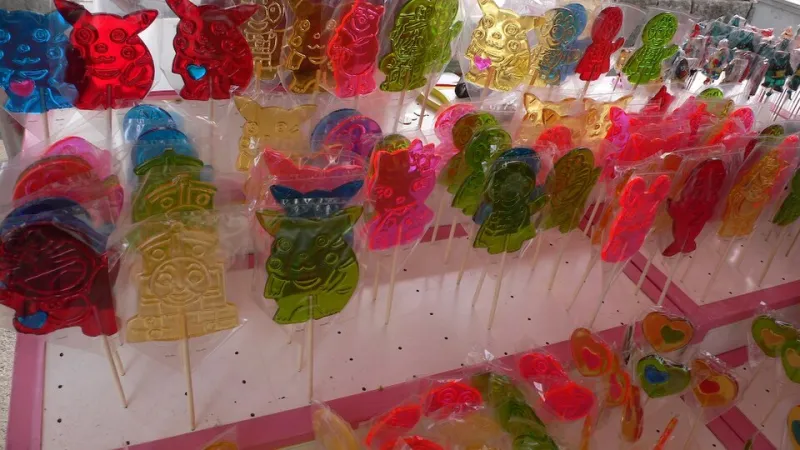
Photo: Cory Doctorow, CC BY-SA 2.0, via Wikimedia Commons
There's a particular kind of pilgrimage happening in Tokyo right now, and it has nothing to do with temples or shrines. It involves rainbow-colored storefronts, floor-to-ceiling gummy walls, and lines that stretch half a block down streets in Harajuku and Asakusa. American tourists are showing up to Tokyo's candy shops the same way they'd show up to a concert — with reservations, charged phones, and a very specific idea of what they're there to experience.
And the shops? They're paying attention.
From Local Staple to Global Destination
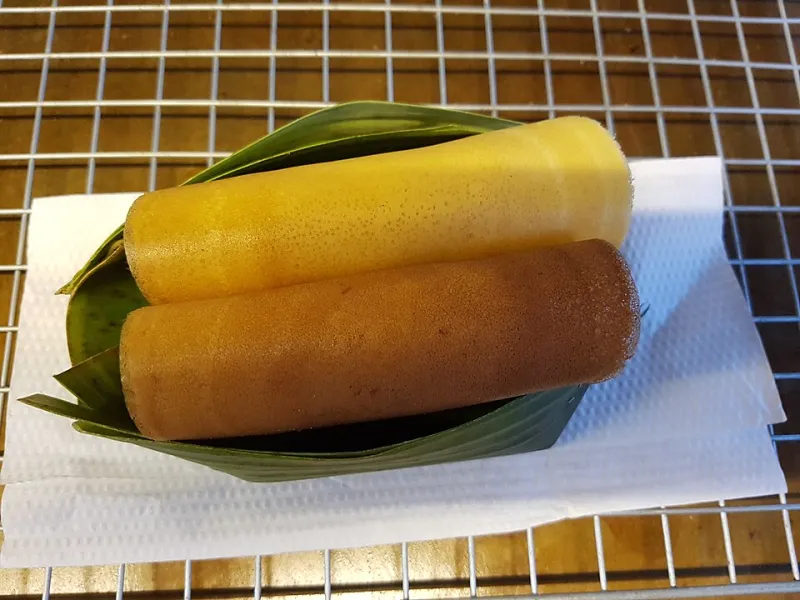
For decades, Tokyo's candy shops served a pretty straightforward purpose: stock the classics, keep the regulars happy, and maybe rotate in some seasonal wagashi around the holidays. Places like the famous Ameya-Yokocho market stalls in Ueno or the old-school dagashi shops tucked into residential neighborhoods were community fixtures, not tourist traps.
Then Instagram happened. Then TikTok happened. And suddenly, a shop owner in Shimokitazawa found herself fielding questions from customers in Nebraska who'd seen her handmade nama chocolate video rack up 800,000 views.
"Five years ago, maybe one foreign customer a week," says Miho Tanaka, who runs a small wagashi studio near Yanaka. "Now on weekends, sometimes half my customers are from overseas. Many Americans. They ask for things I have never made — they want 'the one from TikTok.'" She laughs, but there's something complicated in that laugh. Business is booming. The pressure, though, is real.
The Instagram Effect on What Gets Made
Here's where things get genuinely fascinating: the tourist gaze isn't just changing who shops at Tokyo candy stores. It's changing what those stores actually create.
Shops in high-foot-traffic tourist zones like Takeshita Street have started stocking inventory with visual impact in mind. Oversized lollipops in pastel gradients. Clear bags of individually wrapped candies arranged by color. Matcha Kit Kats displayed in neat pyramids that look almost too perfect to disturb. These aren't accidental choices — they're deliberate responses to the way international visitors document and share their experiences.
Koji Yamamoto, who manages purchasing for a mid-sized confectionery chain with locations in Shibuya and Harajuku, is pretty candid about the shift. "We started noticing which products got photographed most. We started displaying those products differently — better lighting, more space around them. Then we started ordering more of those products. Then our vendors started making more of those products." He pauses. "It's a chain reaction."
The result is a subtle but real drift toward the photogenic over the traditional. Candy that photographs well in natural light. Packaging that pops against a white background. Formats — think single-serve, resealable, collectible — that travel well in a suitcase back to Austin or Portland.
Old Guard vs. New Wave
Not everyone in Tokyo's candy world is thrilled about this evolution. Plenty of traditional confectioners worry that the soul of Japanese candy culture — its emphasis on seasonality, restraint, and craftsmanship — gets flattened when it's filtered through the expectations of tourists hunting for content.
"Japanese candy is not just about being cute," says one veteran wagashi maker in Kyoto who asked not to be named. "There is meaning in the shape, in the season, in the ingredient. When someone buys it only for a photo and throws it away... that is sad."
It's a fair point. And yet, the counterargument is also compelling. Several shop owners note that American tourists — particularly younger ones — often arrive having done serious research. They've watched YouTube deep-dives on konpeito sugar candy. They've read about the history of yokan. They're not just grabbing the shiniest thing on the shelf; they're genuinely curious.
"My American customers often know more about some products than my Japanese customers," admits Tanaka. "They ask very specific questions. I think the internet has made them into students of Japanese candy."
The Souvenir Economy and Its Ripple Effects
One of the more unexpected consequences of candy tourism is the explosion of the omiyage (souvenir gift) economy among international visitors. Americans, it turns out, are enthusiastic adopters of the Japanese tradition of bringing back food gifts for friends and coworkers. They're just doing it on a scale — and with a level of brand consciousness — that's reshaping what manufacturers consider worth producing.
Limited-edition regional flavors, once aimed squarely at domestic travelers, are now being designed with an international audience in mind. English-language labeling has crept onto products that never needed it before. QR codes linking to translated product stories have started appearing on packaging in shops that see heavy tourist traffic.
Yamamoto sees this as mostly positive. "If more people around the world love Japanese candy, that is good for everyone in this industry." But he also acknowledges the tightrope. "We don't want to become a theme park. We want to stay real."
What This Means for American Fans Back Home
For those of us stateside who can't hop on a flight to Narita every time a new limited-edition flavor drops, this shift has an upside: the candies being developed and popularized through tourist culture are increasingly finding their way into international shipping pipelines. The same visual clarity that makes a product pop on a tourist's Instagram story also makes it easy to identify and order online.
The candy pilgrimage to Tokyo is real, and it's changing things. Whether that's a beautiful cross-cultural exchange or a slow erosion of something irreplaceable probably depends on who you ask — and which shop they're standing in. But one thing's certain: Tokyo's candy culture is no longer a closed loop. Americans are inside it now, and both sides are figuring out what that means in real time.