Tokyo's Best-Kept Candy Secrets: A Neighborhood-by-Neighborhood Sweet Tooth Guide
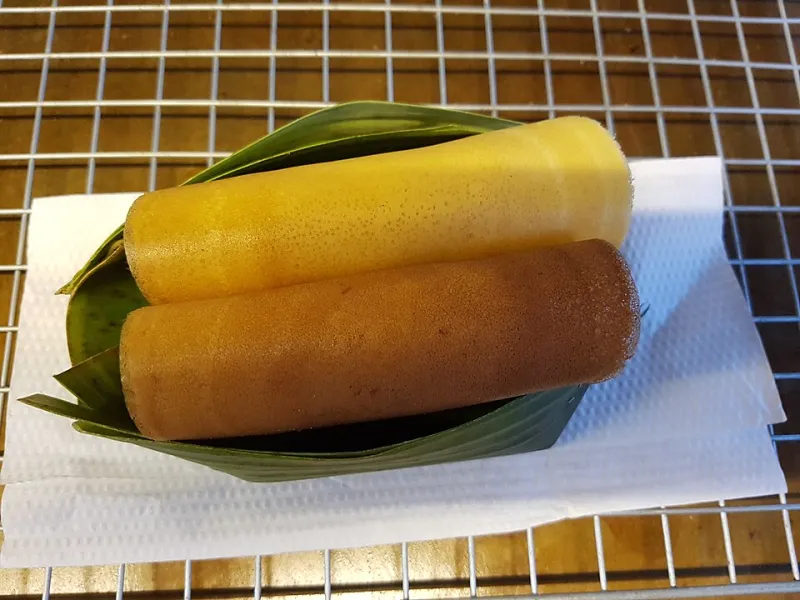
Photo: Iudexvivorum, CC0, via Wikimedia Commons
Tokyo has roughly 13 million residents, thousands of convenience stores, and an almost incomprehensible variety of regional snacks, seasonal sweets, and artisan confections tucked into neighborhoods that most visitors never find. The candy scene here isn't just a shopping experience — it's a full-on cultural deep dive, and every district has its own distinct personality.
Consider this your virtual passport. We're taking you block by block through some of Tokyo's most exciting sweet spots, translating the experience for US candy fans who want to either plan their dream trip or, more immediately, shop smart online.
Nakano: The Retro Candy Time Capsule
If nostalgia had a zip code in Tokyo, it would be Nakano. This west-side neighborhood is best known among anime and manga fans for Nakano Broadway, a multi-story shopping complex crammed with vintage collectibles. But tucked within that same building — and scattered along the covered Nakano Sun Mall shotengai (shopping arcade) — are some of the most charming old-school candy shops in the city.
Think glass jars of hard candies in flavors that haven't changed since the 1970s, individually wrapped dagashi (traditional cheap candies sold for a few yen apiece), and regional sweets that have zero presence on major e-commerce platforms. This is where Tokyo grandmothers shop, and that's exactly the kind of endorsement that matters.
What to look for: Ramune tablet candies in unusual regional flavors, ume (pickled plum) hard candies with that signature sweet-sour-salty punch, and vintage-style chocolate wafer bars that feel like edible time travel.
Shop from the US: Many dagashi classics — including Morinaga's beloved Kinoko no Yama mushroom chocolates and Meiji's Yan Yan dipping sticks — are available through Japanese import retailers. At Candy Tokyo, we curate a rotating selection of retro dagashi favorites that capture exactly this Nakano energy.
Harajuku: Where Candy Gets Theatrical
Harajuku is Tokyo's fashion and youth culture epicenter, and its candy scene matches the neighborhood's flair for the dramatic. Takeshita Street, the narrow pedestrian lane that serves as Harajuku's main artery, is lined with crepe stands, rainbow cotton candy vendors, and specialty sweet shops that treat candy-making as performance art.
But the real gems are the boutique mochi shops tucked just off the main drag. These aren't your average supermarket mochi — we're talking hand-crafted confections filled with seasonal flavors like sakura bean paste in spring, roasted sweet potato in fall, and fresh strawberry cream year-round. The presentation alone is worth the visit; these shops wrap their sweets like jewelry.
What to look for: Artisan mochi in seasonal flavors, rainbow-layered wagashi (traditional Japanese sweets), and Harajuku's signature cotton candy sculptures that are more Instagram installation than actual snack.
Shop from the US: While fresh artisan mochi doesn't ship internationally, packaged mochi varieties from brands like Lotte and Yukimi Daifuku travel beautifully and give you a solid taste of what Harajuku's sweet shops are celebrating. Look for strawberry and matcha varieties especially.
Asakusa: Ancient Temple Town with a Sweet Side
Asakusa is one of Tokyo's oldest neighborhoods, home to the iconic Senso-ji Temple and the Nakamise-dori shopping street that leads up to it. This is traditional Tokyo through and through, and the candy culture here reflects centuries of confectionery tradition.
Ningyo-yaki — small cake-like sweets molded into shapes of traditional figures, filled with red bean paste — are the neighborhood's signature treat, sold at tiny stalls that have occupied the same spots for generations. Alongside those, you'll find ningyo-yaki's seasonal cousins: maple-leaf-shaped momiji manju, fish-shaped taiyaki filled with sweet bean or custard, and paper-thin senbei rice crackers with flavors ranging from classic soy sauce to shrimp and nori.
What to look for: Ningyo-yaki and taiyaki for the experience, plus any of the packaged sembei varieties sold as omiyage (souvenir gifts) — these are designed to travel and make perfect gifts.
Shop from the US: Taiyaki-inspired packaged snacks and senbei varieties are widely available through Japanese import channels. The soy sauce senbei in particular is a fantastic entry point for anyone curious about savory Japanese snacking.
Shibuya: The Trend Lab
If Nakano is where Tokyo candy looks backward, Shibuya is where it looks forward. This is the neighborhood where new flavors get tested, limited-edition collaborations launch, and the next big Japanese candy trend gets its first audience. The flagship stores of major brands like Glico and Meiji maintain presences here, and specialty concept shops pop up and disappear with the seasons.
Shibuya's Scramble Square and Hikarie shopping complexes are particularly worth exploring for their basement food halls (depachika), where you'll find artisan confectionery brands sitting alongside established names — all competing for the attention of Tokyo's most trend-conscious consumers.
What to look for: Limited-edition seasonal packaging from major brands (Japanese snack brands release seasonal flavors constantly, and Shibuya shops get them first), plus experimental flavors from smaller artisan producers that rarely make it to export.
Shop from the US: Limited-edition Japanese snack drops are exactly what we live for at Candy Tokyo. We track seasonal releases from brands like Glico and Meiji and stock them as they become available — including the famous seasonal Kit Kat flavors that Japan's Nestlé division releases throughout the year.
Shimokitazawa: The Indie Candy Scene
Slightly off the tourist track, Shimokitazawa is Tokyo's bohemian neighborhood — a maze of vintage clothing shops, indie music venues, and tiny cafes that feels more like Brooklyn than the Tokyo of postcards. The candy culture here is equally independent, favoring small-batch producers, natural ingredient confections, and cross-cultural sweets that blend Japanese and Western traditions.
This is where you'll find matcha truffles made with single-origin ceremonial-grade tea, yuzu citrus caramels using fruit from small Kochi prefecture farms, and bean-to-bar chocolate makers incorporating Japanese flavors into their craft process.
What to look for: Craft chocolate with Japanese inclusions, small-batch fruit jellies using domestic Japanese fruits, and artisan caramels in flavors that don't exist anywhere else.
Shop from the US: The craft Japanese chocolate and small-batch confectionery scene is growing in international availability. Look for brands that emphasize single-origin Japanese ingredients — they tend to be the ones making the effort to reach international audiences.
Making Tokyo's Candy Scene Your Own
Here's the thing about Tokyo's sweet culture: it's genuinely inexhaustible. Every neighborhood has its own rhythm, its own specialty, its own candy identity. You could spend weeks exploring and still find new shops tucked down alleys you'd never noticed.
But you don't have to be in Tokyo to participate. The best Japanese candies travel well, and the import market has never been more robust. At Candy Tokyo, our whole mission is to bridge that gap — bringing the energy, variety, and genuine quality of Tokyo's candy scene directly to US doorsteps.
Consider this guide a starting point, whether you're planning an actual trip or building a Tokyo-inspired snack haul from your couch. Either way, the sweets are waiting.