Hall Pass for Pocky: How Japanese Candy Became the Underground Currency of American High Schools
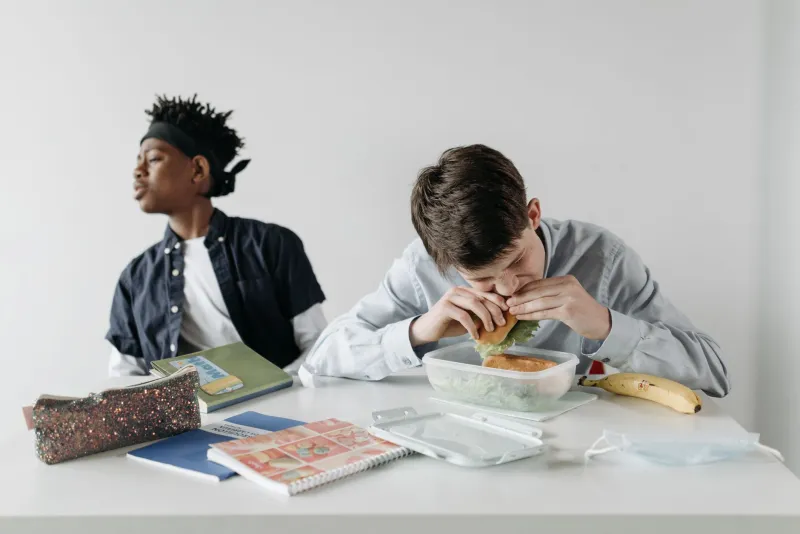
Somewhere between third period and lunch, a transaction is taking place. No Venmo required. No crumpled dollar bills changing hands. Instead, a bag of matcha Hi-Chews gets slid across a cafeteria table in exchange for homework help, a coveted seat at a lunch table, or simply the kind of social goodwill that's harder to quantify than any currency the Federal Reserve ever printed.
Welcome to the Japanese candy economy — and it's a lot more organized than you'd think.
The Hallway Hustle Is Real
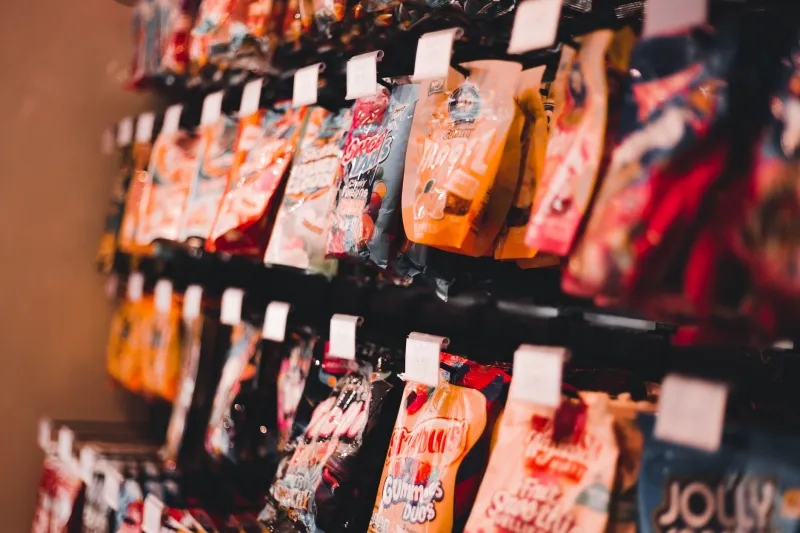
Talk to any high schooler in a major US metro area and they'll know exactly what you're talking about. Japanese candy — the kind you can't just grab off a shelf at CVS — has developed a full-blown barter culture among American teenagers. Certain items carry more clout than others. A standard Pocky stick? Table stakes. A regional Japanese KitKat flavor, like the elusive sweet potato or sakura version? That's practically gold.
"It started when my cousin brought back a bunch of stuff from a trip to Japan," says Maya, a 16-year-old from the Chicago suburbs who asked that we not use her last name. "I brought some to school just to share, and suddenly everyone wanted to know where I got it. By the next week, kids were asking me to bring more and offering to trade for it."
What Maya stumbled into wasn't unique to her school. Teachers, parents, and school administrators across the country are noticing the same thing — a low-key but surprisingly structured economy built entirely around imported Japanese treats.
The Pricing Hierarchy (Yes, There Is One)
Not all Japanese candy is created equal in the hallway market, and teenagers have developed surprisingly sophisticated mental price lists. Accessibility is everything. If something can be found at a local Asian grocery store or ordered easily online, it loses value fast. The real premium goes to items that require a trip to an actual Japanese import shop, a specialty order, or — the holy grail — a personal connection to someone who recently traveled to Japan.
Here's a rough breakdown of how the hierarchy tends to shake out, according to multiple students we spoke with:
- Common tier: Pocky, Yan Yan, standard Hi-Chew flavors. Easy to find, widely available, still cool but not exactly rare.
- Mid tier: Meiji chocolate assortments, Caplico cones, Kasugai gummy candies. Harder to source locally, generates genuine excitement.
- Premium tier: Regional or seasonal Japanese KitKats, Royce chocolate, Lotte's Pepero in unusual flavors, anything with a Japanese-only label. These are the items people actually negotiate over.
- Legendary tier: Anything physically brought back from Japan itself, especially limited-edition or theme-park-exclusive items. Disneyland Tokyo snacks have reportedly caused minor social earthquakes at more than a few lunch tables.
"There was a girl in my grade whose parents travel for work," recalls Jordan, a 17-year-old from the Dallas area. "She brought back these little mochi-filled chocolates from a Japanese airport, and I'm not exaggerating — people were offering to do her chores for a week to get one."
Why Japanese Candy Specifically?
It's a fair question. American convenience stores are packed with candy. So why have Japanese sweets specifically become the social tender of choice?
Part of it is the aesthetic. Japanese packaging is genuinely stunning — pastel colors, intricate designs, adorable characters — and in a social media-saturated world, something that looks good on a phone screen carries automatic clout. But it goes deeper than that.
Japanese candy also tastes different in ways that are hard to explain until you've experienced it. The textures are more varied, the flavors more nuanced, and the combinations more unexpected. A matcha white chocolate isn't just "green chocolate" — it's a whole sensory experience that most American teenagers genuinely haven't encountered before. That novelty factor is powerful.
And then there's the cultural cachet. Japanese pop culture — anime, manga, J-pop, gaming — has an enormous footprint among Gen Z. Carrying Japanese candy isn't just about the snack. It signals membership in a cultural conversation that a lot of American teenagers desperately want to be part of.
"It's like, if you have the candy, you're connected to something," says Maya. "It's not just food. It's more like... proof that you're into it for real."
Parents and Schools Are Paying Attention
For the most part, adults in the room are bemused rather than alarmed. A few school administrators we spoke with mentioned fielding questions about whether trading food items violated cafeteria policies, but most acknowledged it was largely harmless.
"Honestly, if the worst thing happening in my school's hallways is kids trading Japanese candy, I'll take it," laughed one assistant principal from a suburban New Jersey school, who preferred not to be named. "It's kind of sweet, no pun intended."
Parents, meanwhile, are finding themselves conscripted into the economy whether they like it or not. Online forums for parents of teenagers are peppered with posts asking where to find specific Japanese candy items — usually because a kid has promised to bring something to school and is now panicking about sourcing it.
"My daughter told me she needed a specific type of Japanese strawberry gummy for something at school," wrote one mom in a parenting Facebook group. "I spent 45 minutes on the internet trying to figure out what she was talking about. Eventually I just ordered a whole assortment box online and let her sort it out."
The Scarcity Effect Is the Point
Economists will tell you that scarcity drives value, and the Japanese candy economy runs on exactly that principle. The fact that these items are hard to find — or at least feel hard to find — is what gives them their power.
Subscription boxes and import shops have actually complicated things slightly. As more Japanese snacks become accessible through services that ship directly to US addresses, the "I had to work for this" premium starts to erode. Savvy teenage traders have adapted by doubling down on the truly rare stuff — limited seasonal releases, regional exclusives, and theme-park-only items that no subscription box can replicate.
It's a moving target, which, honestly, is part of what keeps the whole thing alive.
A Sweet Kind of Social Glue
Strip away the economics and what you're really looking at is something pretty wholesome: teenagers finding connection through shared enthusiasm for something genuinely delightful. Japanese candy culture, with its emphasis on craftsmanship, creativity, and the joy of discovery, translates surprisingly well into a social ritual — even an accidental one.
The candy itself almost doesn't matter. What matters is the experience of sharing something rare, something interesting, something that sparks a conversation. In that sense, a bag of yuzu gummies doing the rounds at a lunch table in Ohio isn't so different from a beautifully wrapped omiyage gift being passed around an office in Tokyo.
Food has always been how humans say I thought of you. Japanese candy just happens to say it in the most delicious way possible.
Curious about which Japanese candies are worth hunting down? Browse our import guides and snack reviews right here at Candy Tokyo — your shortcut to Tokyo's sweetest secrets.