Why Japanese Candy Scientists Are Rewriting the Rules of What a Sweet Should Be
There's a moment that happens to a lot of Americans the first time they bite into a Japanese candy. It's not just that it tastes good — it's that it tastes precise. Like someone sat in a room for two years thinking about exactly how that strawberry note should land on the back of your tongue before fading into something faintly milky and warm. Because, as it turns out, someone probably did.
Japanese candy R&D isn't a department. It's a culture. And that culture is now bleeding into the way American confectioners think, hire, and build products.
The Philosophy Gap
Walk into a mid-sized candy manufacturer in, say, the Midwest, and the product development conversation tends to center on a few familiar pillars: cost per unit, shelf stability, and flavor intensity that can survive a focus group. Sweet, sour, salty — hit the notes, nail the price point, ship it.
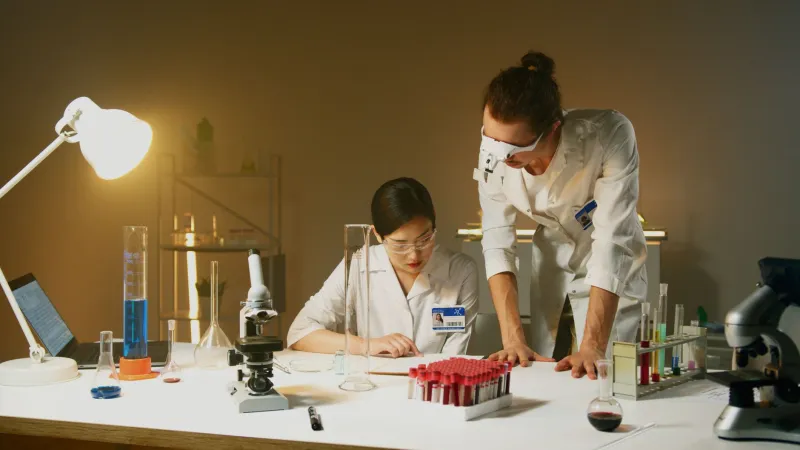
Walk into the R&D lab of a Japanese candy brand like Morinaga, Lotte, or Meiji, and the conversation sounds almost academic. Researchers there talk about koku — a Japanese concept loosely translated as depth or richness — as a measurable quality goal. They discuss the mouthfeel arc of a single gummy: how it should resist the first bite, yield at a specific pressure point, and dissolve at a pace that keeps the flavor experience going for a calculated number of seconds. These aren't marketing words. They're engineering specs.
This difference in philosophy isn't just cultural quirk — it reflects a consumer base that has been trained, over generations, to expect a lot from a small piece of candy.
Texture as a First Language
If flavor is what American candy companies speak fluently, texture is the language Japan turned into literature.
Take the Hi-Chew, which has become one of the more mainstream Japanese imports in the US market. What makes it weird to first-time American eaters — that strange, almost taffy-like chew that somehow doesn't stick to your teeth — is the result of years of texture engineering. The brand's development team reportedly went through hundreds of formulations trying to replicate the experience of eating fresh fruit: the resistance, the juice release, the clean finish. The flavor almost came second.
Or consider the Japanese soft candy category known as nama (raw or fresh) chocolates — products like Royce' Nama Chocolate, which maintain a ganache-like softness at room temperature through precise control of fat crystallization and water activity. These aren't accidents. They're the output of food scientists who treat confectionery the way a watchmaker treats a movement: every component exists for a reason, and the reason is almost always the experience of eating it.
Ingredient Sourcing as a Competitive Advantage
Another place where Japanese candy philosophy diverges sharply from Western manufacturing norms is in how brands think about ingredients. In the US, commodity ingredients — corn syrup, artificial flavors, standardized fruit concentrates — dominate because they're consistent and cheap. In Japan, origin and seasonality are often treated as core product features, not optional premiums.
Brands like Fujiya have built entire product lines around regionally sourced fruit, adjusting formulas seasonally to match actual harvest quality rather than locking in a year-round artificial approximation. Hokkaido dairy, Uji matcha, Kyushu sweet potato — these aren't just marketing callouts on Japanese candy packaging. They're sourcing commitments that shape flavor development from the ground up.
This approach costs more and complicates supply chains considerably. But it also produces something that commodity sourcing structurally can't: candy that tastes like it came from somewhere real.
American Companies Are Starting to Pay Attention
For a long time, the US candy industry watched Japan's confectionery culture the way someone watches an art film — interesting, maybe a little bewildering, but not exactly relevant to the business at hand.
That's changing. Over the past several years, a quiet but meaningful shift has been happening in how American candy companies staff their development teams. Industry insiders report increased recruitment of Japanese-trained confectioners and food scientists, particularly by companies trying to break into the premium snack segment or compete with the growing import market. The appeal isn't just technical knowledge — it's a different way of framing the problem.
Mars, Hershey, and Mondelez have all made moves in recent years — through acquisitions, partnerships, or internal restructuring — that suggest a serious interest in what Japan has figured out about consumer expectations. Hershey's acquisition of a majority stake in Shanghai Golden Monkey and its ongoing investment in Asian market research reflect a broader bet that the future of global confectionery looks a lot more like Tokyo's convenience store candy aisle than the checkout lane at a US grocery chain.
Smaller American artisan candy brands have been even more direct about the influence. A handful of craft confectioners in cities like Portland, Austin, and New York have openly cited Japanese wagashi and mochi traditions as the foundation for their texture-forward product development, bringing mochi-style layering and yokan-inspired ingredient restraint into candy formats that American consumers already recognize.
What This Means for the Future of Your Snack Shelf
Here's the practical upshot for anyone who's been gradually replacing their Halloween candy stash with Japanese imports: the gap between what you can find at an Asian grocery store and what shows up at Target is going to keep shrinking.
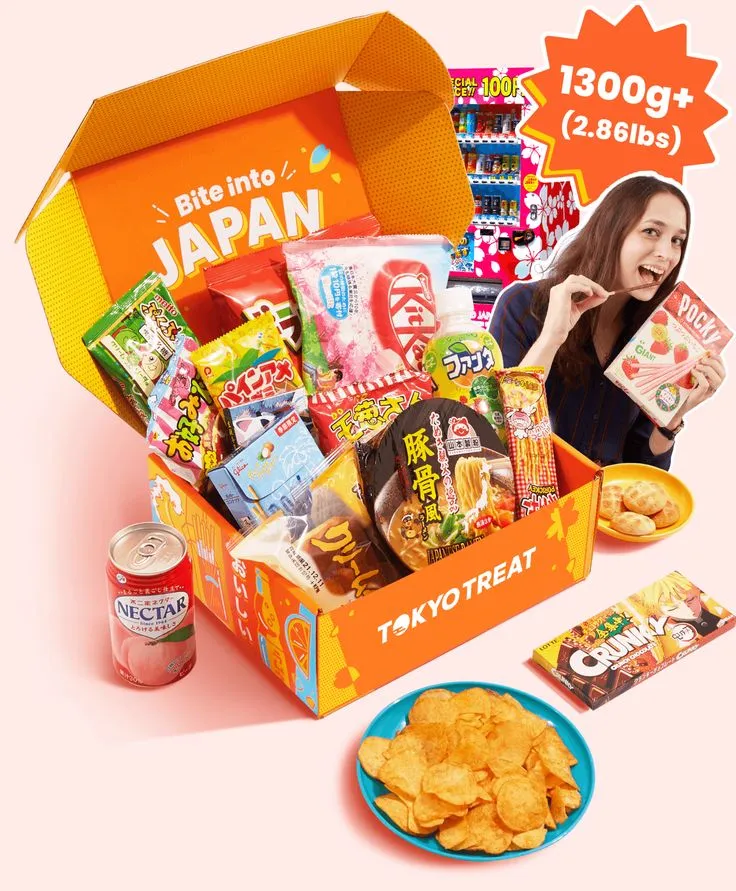
American candy culture has historically defaulted to more — more sugar, more artificial flavor intensity, more visual noise on the packaging. Japanese candy culture defaults to better, which is a harder target to hit but a more durable one. As US consumers get more sophisticated about what they expect from snacks — driven partly by exposure to Japanese products through subscription boxes, TikTok hauls, and travel — the domestic market is going to have to evolve to keep up.
The brands that figure out how to marry Japanese R&D philosophy with American distribution scale are going to have a significant edge. And the ones that don't? They might find themselves competing with a Meiji chocolate bar that took three years to perfect and still somehow costs less than their premium domestic alternative.
Japanese candy science didn't set out to disrupt anything. It just kept asking the same question — what would make this one bite better? — until the answer became impossible to ignore.