Hooked on the Mystery: How Japanese Snack Subscription Boxes Turned American Millennials Into Devoted Candy Collectors
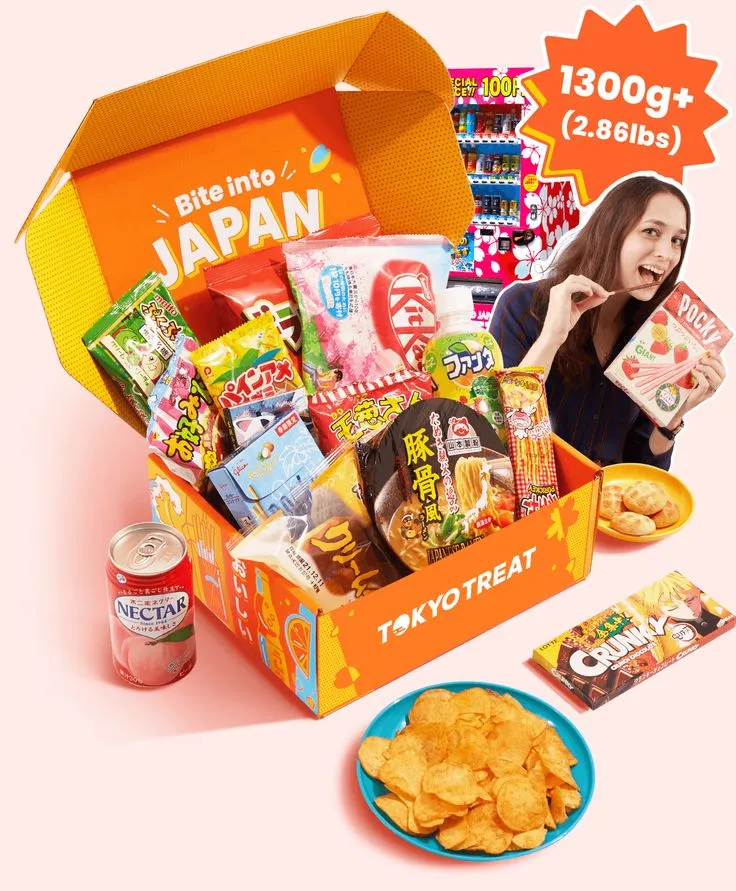
Photo: Japanese candy subscription box unboxing colorful snacks, via i.pinimg.com
There's a very specific kind of joy that comes from opening a box you didn't pack yourself. It's the same energy as a birthday present, a lucky grab bag, or finding a crumpled five-dollar bill in an old jacket. Now imagine that feeling, but make it monthly, make it Japanese candy, and make it something you voluntarily pay for — and you've basically described one of the sneakiest success stories in the modern snack economy.
Japanese candy subscription boxes have quietly become a full-blown cultural moment in the US. Services like TokyoTreat and Bokksu are pulling in hundreds of thousands of subscribers, and the numbers keep climbing. Americans are spending anywhere from $25 to $50 a month — sometimes more — on curated boxes of snacks they've never tried, from a country many of them have never visited. So what's actually going on here?
The Box Is the Product (Not Just the Stuff Inside It)
Here's the thing most people get wrong about subscription snack boxes: they assume the value is in the snacks. And sure, the snacks matter — nobody's going to re-subscribe for stale crackers. But the real product being sold is the experience of receiving the box.
Unboxing has been a documented cultural phenomenon since YouTube made it a content category sometime around 2010. But Japanese candy boxes turbocharged that format by adding layers of specificity. These aren't just random snacks thrown in a mailer. They're themed. They're seasonal. They come with little booklets explaining what each item is, where it's from, and sometimes even how to eat it correctly. That context transforms a bag of mochi into a story — and stories are incredibly hard to unsubscribe from.
Brands like Bokksu lean hard into this editorial angle, positioning their boxes less like a snack haul and more like a curated cultural journey. TokyoTreat, meanwhile, plays up the novelty and fun factor, leaning into limited-edition flavors and pop culture tie-ins that feel urgent and collectible. Different vibes, same psychological hook: make the customer feel like they're getting access to something they couldn't find on their own.
FOMO as a Business Model
Fear of missing out isn't just a social media problem — it's a subscription box superpower. Japanese candy is uniquely positioned to exploit this because of Japan's famously aggressive seasonal and regional snack culture. Kit Kats alone come in dozens of flavors that rotate in and out of availability. Sakura season brings a wave of cherry blossom-flavored everything. Summer gets ramune and melon. Fall brings sweet potato and chestnut. And most of it never makes it to American shelves through traditional retail.
Subscription boxes have essentially monetized that scarcity. When a TokyoTreat subscriber knows their February box might contain a Valentine's-exclusive matcha truffle that won't be available again until next year — if ever — skipping a month starts to feel like a genuine loss. That's not an accident. It's architecture.
The limited-edition model also fuels a secondary economy that most subscription companies don't even have to manage themselves: resale and community trading. Reddit threads, Facebook groups, and Discord servers dedicated to Japanese snack swapping are thriving. Subscribers post haul photos, trade duplicates, and debate which box had the best lineup. The brands get free marketing. The community gets a hobby. Everyone wins — except maybe your monthly budget.
Why Millennials Specifically?
Gen Z gets a lot of credit for driving the Japanese snack obsession online, but millennials are the ones actually sustaining the subscription economy with their credit cards. And there are a few reasons this generation is particularly susceptible to the candy box pull.
First, there's nostalgia — but it's a strange, borrowed kind. Many American millennials grew up with limited exposure to Japanese candy, maybe catching a Pocky stick at a mall kiosk or stumbling across Yan Yan at an Asian grocery store. Those small encounters lodged somewhere in the memory as exotic and exciting. Subscription boxes tap directly into that association, offering a grown-up version of the same thrill.
Second, millennials are the generation that came of age with unboxing culture, subscription boxes (remember Birchbox?), and the general concept of paying for curation. They already understand the value proposition of letting someone else do the discovery work. Japanese snack boxes just apply that framework to a category that feels genuinely adventurous rather than algorithmically predictable.
Third — and maybe most importantly — these boxes are affordable luxury. In an era where actual travel to Japan feels like a budget stretch, a $35 monthly box is a pretty accessible way to feel connected to a culture that American pop media has been enthusiastically celebrating for years. It's a little bit of Tokyo, delivered to your doorstep in Ohio.
The Economics of Recurring Candy Revenue
From a business perspective, the subscription snack model is almost annoyingly elegant. Predictable monthly revenue, relatively low churn when the product is genuinely exciting, and a built-in content engine courtesy of every subscriber who posts an unboxing video or haul photo. Customer acquisition costs stay manageable because the community does a significant chunk of the marketing organically.
The real challenge is sourcing. Getting consistent access to authentic, high-quality Japanese snacks — especially limited-edition items — requires serious relationships with manufacturers and distributors in Japan. This is actually a meaningful barrier to entry that protects established players like Bokksu and TokyoTreat from being immediately undercut by cheaper competitors. Quality curation isn't easy to fake, and subscribers notice when a box feels phoned in.
There's also the logistics puzzle of international shipping, customs compliance, and keeping products fresh across a supply chain that spans an ocean. The companies doing this well have essentially built mini import operations wrapped in a candy-colored brand identity.
So Are These Boxes Actually Worth It?
Honestly? That depends on what you're buying them for. If you're purely optimizing for cost-per-snack, you can probably find individual Japanese candy items cheaper through specialty retailers or Amazon. But that's kind of missing the point.
The value in a subscription snack box is closer to the value of a magazine subscription or a streaming service — it's the curation, the discovery, and the ritual. Getting that box in the mail every month is an event. It's something to look forward to. And in a news cycle that seems determined to be relentlessly exhausting, a box of Japanese gummy candy that tastes like a convenience store in Shibuya is a genuinely pleasant interruption.
If you've been curious but haven't pulled the trigger yet, most services offer a trial month or a gift box option that lets you dip your toes in without a long-term commitment. Try one. Film the unboxing if that's your thing. Share the weird ones with your coworkers. You might just find yourself refreshing the shipping tracker more eagerly than you expected.
Tokyo's sweetest secrets have a funny way of becoming a habit.