Sugar, Status, and Sakura: How Japanese Artisan Candy Became America's Newest Luxury Flex
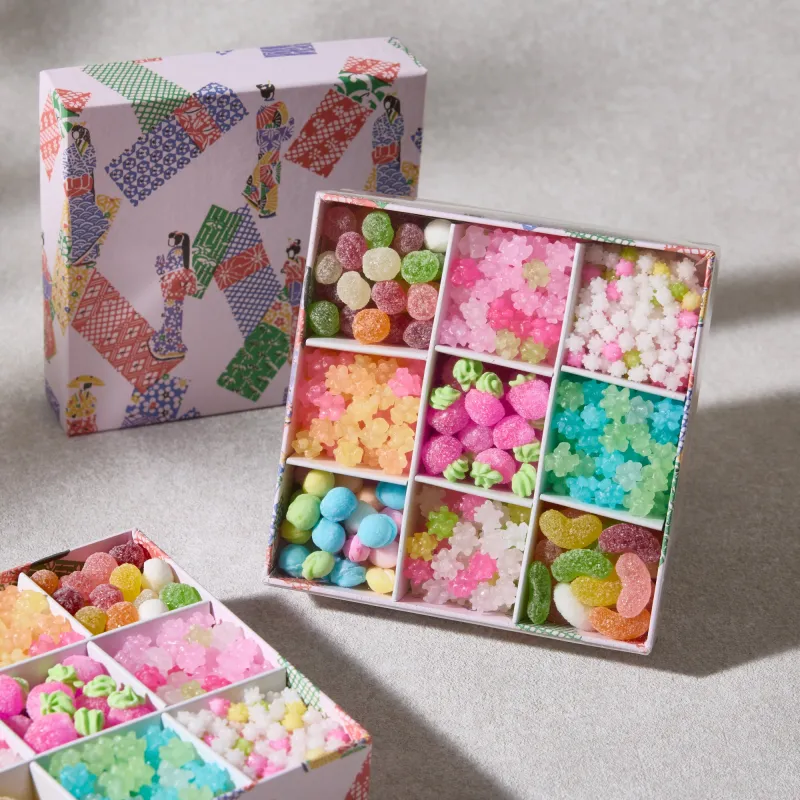
Photo: Japanese luxury wagashi artisan candy elegant box packaging, via japanhaul.com
There's a particular kind of unboxing video that's been flooding social feeds lately. The box is lacquered. The tissue paper is folded with origami precision. And the candy inside — delicate wagashi molded to look like autumn leaves, or hand-rolled bonbons dusted with edible gold — looks almost too beautiful to eat. Almost.
Japanese luxury confections have arrived in America, and they didn't come quietly.
From Gift Culture to Global Clout
In Japan, high-end candy has always carried social weight. Omiyage — the tradition of bringing back regional sweets as gifts — is practically a cultural institution. Premium confectionery brands like Toraya, Toshimaya, and Shiseido Parlour have operated for decades (some for centuries) as markers of taste and thoughtfulness. A box of their products isn't just dessert; it's a statement.
What's new is that American consumers are starting to speak that same language.
"I spent $90 on a box of Kyoto wagashi last spring, and I didn't even feel weird about it," says Priya M., a 31-year-old product designer in Brooklyn. "I'd spend that on a nice candle without blinking. Why should candy be different?"
That mental shift — treating artisan confections the way you'd treat any other premium lifestyle purchase — is exactly what's driving the American luxury candy boom. And Japanese sweets are sitting at the very top of that market.
What Actually Makes It Worth $50+
Skeptics will ask the obvious question: what justifies a $60 price tag on something you're going to eat in three bites?
The answer, it turns out, involves centuries of craft tradition, brutally sourced ingredients, and a production process that would make most American candy manufacturers genuinely nervous.
Take nerikiri, the hand-shaped wagashi made from white bean paste and glutinous rice. A single skilled artisan might produce only a few dozen pieces per day, shaping each one by hand using tools that haven't changed much since the Edo period. The seasonal designs — cherry blossoms in spring, maple leaves in fall — require years of training to execute with the precision that luxury buyers expect.
Or consider premium nama chocolate from brands like Royce'. The ganache ratio, the Hokkaido dairy content, the temperature-controlled shipping — every variable is engineered to deliver a texture so soft it practically dissolves on contact. That's not an accident. That's infrastructure.
"The ingredient sourcing alone is a story," says food writer and confectionery enthusiast Daniel K., who runs a popular newsletter on Asian sweets culture. "Some of these brands use single-origin matcha from specific farms in Uji, or adzuki beans grown in particular regions of Hokkaido. The traceability rivals what you'd find in specialty coffee or fine wine."
Social Media Did the Heavy Lifting
Luxury Japanese candy didn't go mainstream in America through traditional advertising. It went viral.
The aesthetic qualities that make high-end Japanese confections so labor-intensive to produce — the translucent jewel tones of kohakuto (crystal candy), the impossibly smooth domes of high-end daifuku, the minimalist elegance of premium packaging — are also exactly what performs on Instagram and TikTok.
A well-lit shot of a lacquered Toraya box generates engagement the way a designer bag does. The candy itself becomes a prop in a larger lifestyle narrative: I have taste, I have access, I know things you don't.
"There's definitely a flex element to it," admits Jordan T., a 27-year-old in Los Angeles who collects limited-edition Japanese confectionery releases. "When I find something from a brand that doesn't ship internationally and I managed to get it through a proxy service, that's a conversation starter. People want to know how you got it."
Limited availability amplifies this dynamic significantly. Several top-tier Japanese confectionery houses don't offer international shipping at all, which means acquiring their products requires either a trip to Japan or a well-connected contact. Scarcity, as any luxury brand strategist will tell you, is the oldest marketing tool in existence.
The Collector Mindset
What's particularly interesting is how some American fans are approaching Japanese luxury candy with the same systematic enthusiasm typically reserved for sneakers or rare bourbon.
Spreadsheets tracking seasonal releases. Proxy shopping services. Discord servers dedicated to coordinating group orders from specific Ginza department store basement food halls (known as depachika, and basically the Harrods food hall of candy culture).
"I have a standing order with a proxy service in Tokyo for anything new from two specific wagashi brands," says Priya. "It sounds intense, but it's really not different from how people follow sneaker drops. The mentality is identical."
The comparison to other collectible luxury categories keeps coming up, and it's not accidental. As younger American consumers grow more selective about where they spend discretionary income, experiential and consumable luxury goods — things you can feel, taste, and share — are competing seriously with traditional status objects like watches or handbags.
Candy, historically the most democratic of treats, has become a genuinely stratified market. And at the top of that market, Japanese artisan confections are holding a position that feels increasingly permanent.
Is This a Trend or a Shift?
The cynic's read is that this is a niche obsession that'll plateau once the novelty wears off. The optimist's read — and the one that seems better supported by actual sales data from specialty importers — is that American consumers are in the early stages of developing a genuine, lasting appreciation for Japanese confectionery craft.
Specialty retailers like Japan Centre and various online importers have reported consistent year-over-year growth in the premium candy category. Several Japanese confectionery brands have opened or announced US outposts in major cities. And the depachika model — curated, high-end food retail as destination experience — is quietly influencing American specialty food retail.
Whether you're a collector hunting limited drops or just someone who thinks a $45 box of Royce' makes a better hostess gift than a bottle of wine, the message from the market is pretty clear: Japanese luxury candy isn't a novelty anymore. It's a category.
And honestly? For something this beautiful, that seems about right.