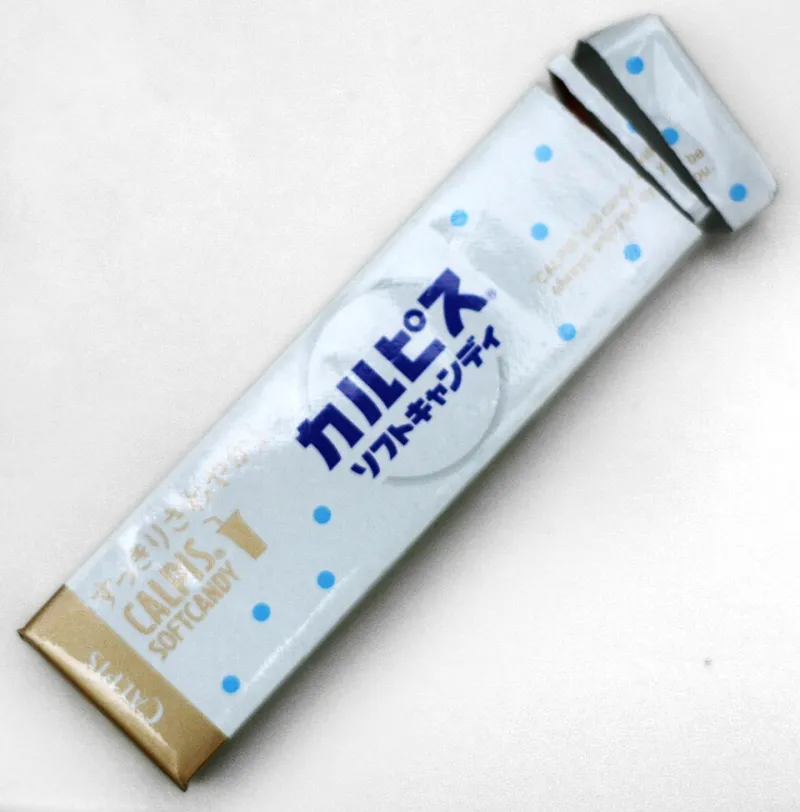
Glitch in the Candy Matrix: Why Gen-Z Can't Stop Collecting Japanese Snacks They Never Actually Ate
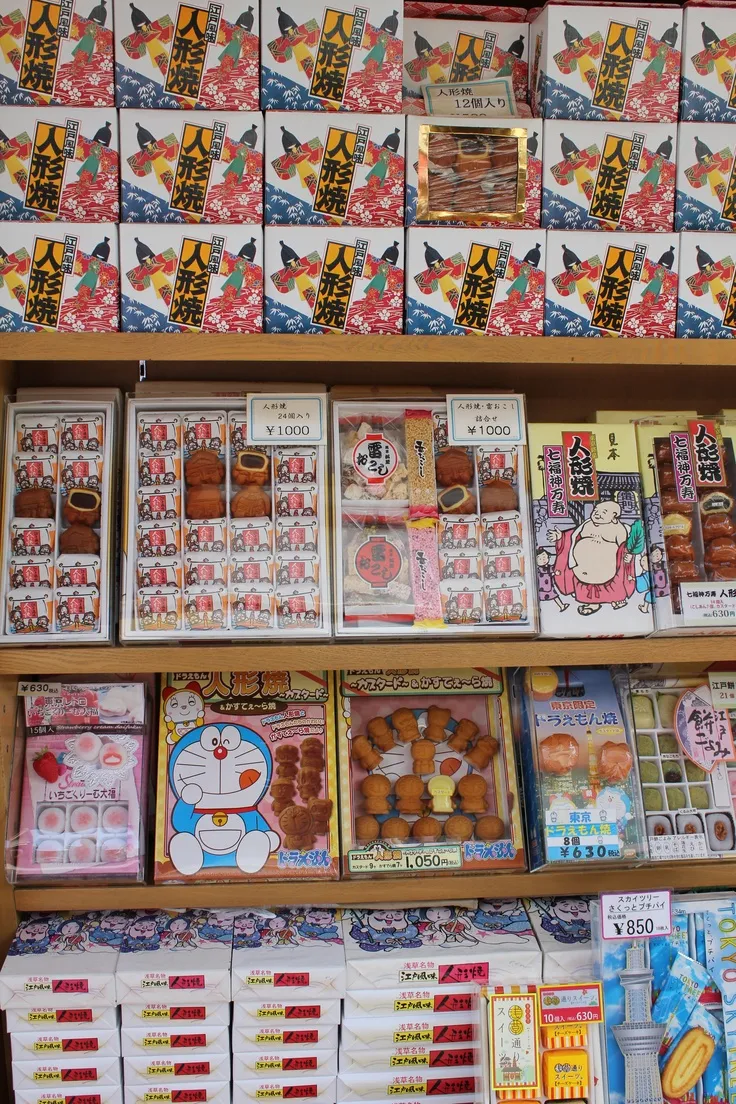
Photo: vintage Japanese candy packaging collection retro snacks display, via i.pinimg.com
Let's get the obvious question out of the way: how do you feel nostalgic for something you never experienced?
It's a question worth sitting with, because the answer explains a lot about one of the more curious trends running through American snack culture right now. Gen-Z consumers — people born roughly between 1997 and 2012 — are hunting down retro Japanese candies from the 1980s, '90s, and early 2000s with the kind of obsessive energy usually reserved for vintage sneakers or first-edition comics. We're talking discontinued Morinaga flavors, original-formula Ramune variants, throwback Meiji packaging, and Hi-Chew editions that haven't been in regular production for two decades.
They didn't eat these as kids. Most of them weren't even born when some of these products first hit shelves. And yet the demand — and the prices — keep climbing.
The Nostalgia That Isn't Yours (But Kind of Is)
Psychologists have a term for this: "secondhand nostalgia" or sometimes "vicarious nostalgia." It describes the emotional pull people feel toward cultural artifacts from eras they didn't personally live through. Think of how many Gen-Z kids are obsessed with '90s aesthetics despite being born in 2004, or how vinyl records became cool again among people who never owned a turntable.
Japanese candy fits neatly into this pattern — but with a twist. A lot of Gen-Z's relationship with retro J-snacks was mediated through older siblings, parents who traveled, anime, and especially YouTube. Reaction videos, unboxing content, and food history channels spent years building cultural mythology around certain products. By the time a 20-year-old in Columbus, Ohio encounters a vintage Whistle candy wrapper at a flea market, they already have a whole emotional architecture around it, assembled from hundreds of hours of online content.
"I feel like I remember eating these, even though I know I didn't," says Maya, a 22-year-old collector in Chicago who asked us to use only her first name. She has a dedicated shelf for her Japanese candy collection — sealed packages arranged by decade, some in small acrylic display cases. "It's like the internet gave me a fake childhood memory. But it doesn't feel fake. It feels real."
TikTok as the Engine
No conversation about this trend survives without talking about TikTok. The platform has been the single most powerful accelerant for retro Japanese candy culture, and the mechanism is pretty straightforward: discovery, desire, hunt, flex.
A creator posts a video tasting a 1990s-era Fujiya Milky candy they sourced from a specialty importer. The video gets 2 million views. Half a million people have now been introduced to this product. A meaningful percentage of them want it. A smaller but still significant percentage actively seek it out. Resellers notice the spike in searches. Prices go up. Now the candy is scarce and expensive, which makes it more desirable, which drives more content, which starts the cycle again.
Some of TikTok's most-followed food accounts have entire series dedicated to "rating discontinued Japanese snacks" or "trying vintage candy hauls." The comment sections are a mix of older Japanese-American viewers experiencing genuine nostalgia and younger viewers experiencing something adjacent — a kind of enthusiastic borrowing of someone else's cultural memory.
"It's not appropriation, it's appreciation" is a phrase that comes up a lot in these communities, and the distinction matters to the people making it.
The Reseller Market Gets Weird
Here's where the economics get interesting. Sealed, vintage Japanese candy packaging — not even the candy itself, just the wrapper — now trades on eBay and Mercari for prices that would raise eyebrows. A complete set of original Pocky promotional packaging from a mid-'90s campaign recently sold for over $200. Unopened boxes of discontinued Glico products command premiums that rival limited-edition sneaker drops.
For manufacturers watching from Japan, this is a genuinely confusing signal. Products they discontinued for perfectly rational business reasons — flagging domestic sales, ingredient sourcing issues, shifting consumer tastes — are suddenly generating passionate demand from a demographic they never targeted in the first place.
Some are responding. Morinaga brought back a limited run of their classic Choco Flake in 2023 with vintage-style packaging, and the international response outpaced their domestic one. Meiji has quietly tested throwback editions of discontinued chocolate products in select markets. The message from the collector community has been received: people will pay real money for the past.
"We did not expect this," one product development consultant at a mid-sized Japanese confectionery company told us, speaking off the record. "The data was very surprising. Young American customers, not Japanese customers, were driving demand for products from before they were born. We had to rethink some assumptions."
Collecting vs. Consuming
One of the more fascinating wrinkles in this trend is how many collectors aren't actually eating what they buy. The candy becomes an object — a piece of cultural history, a display item, a status signal within the collector community. Opened packaging loses value. The experience of eating the candy is almost secondary to the experience of having it.
This is a genuinely new relationship with food. Candy, historically, is one of the most ephemeral consumer products there is. It's designed to be eaten immediately and forgotten. The idea of candy as a collectible artifact — preserved, displayed, traded — would have seemed bizarre to previous generations.
But Gen-Z has grown up in a world where everything is a potential collectible and scarcity is engineered as a feature. They apply the same logic to Funko Pops, to sneakers, to trading cards, and now to vintage Hi-Chew. The category doesn't really matter. The mechanics of desire are the same.
What Comes Next
For Japanese candy manufacturers willing to play the long game, the opportunity here is significant. Limited-edition throwbacks with authentic vintage packaging, transparent storytelling about original formulas, and smart distribution through channels that serve the collector community could generate real revenue from a demographic that's still figuring out its purchasing power.
For American fans — whether you're a purist who wants to taste the real thing or a collector who'd rather keep the wrapper sealed — the retro Japanese candy wave isn't cresting anytime soon. If anything, as more of this content circulates and more manufacturers take notice, the pipeline of revived classics is only going to grow.
Nostalgia, it turns out, doesn't require lived experience. It just requires a good story — and Japanese candy has been telling great ones for decades.