Hunting the Holy Grail: Inside America's Obsession With Rare Japanese Candy
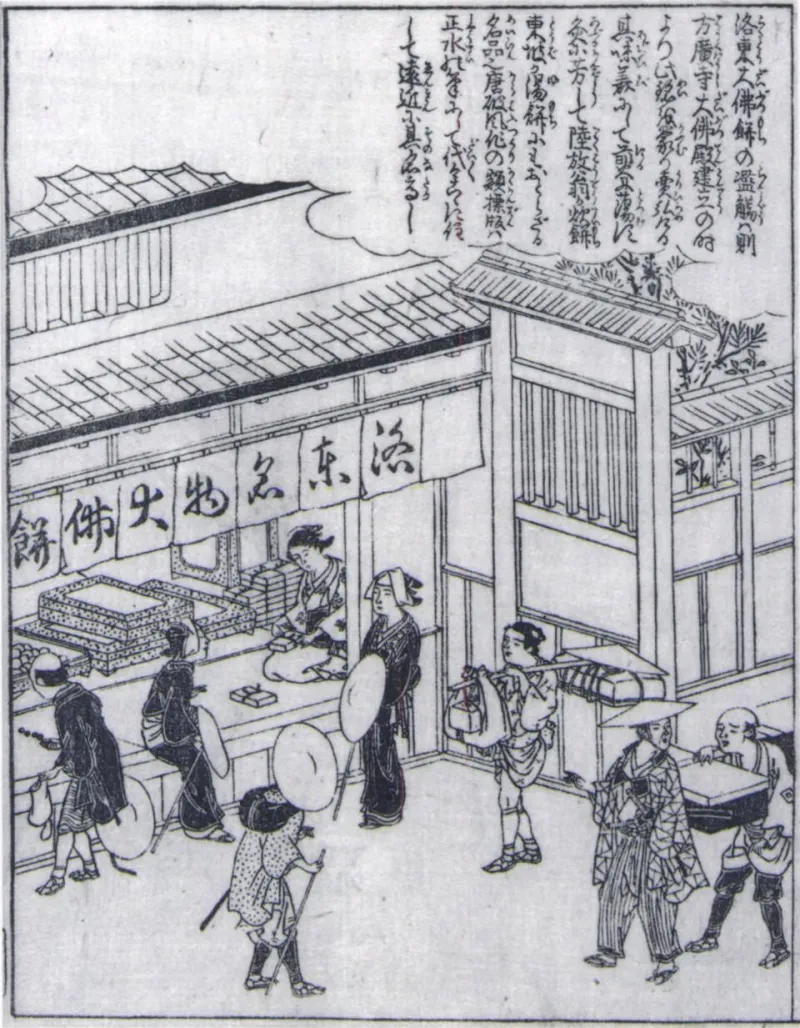
Photo: Shunchosai Takehara Nobushige, Public domain, via Wikimedia Commons
It started, for many collectors, with a single package.
Maybe it was a matcha KitKat tucked into a friend's suitcase after a trip to Tokyo. Maybe it was a box of regional Pocky stumbled upon at a specialty import shop in Los Angeles. Whatever the gateway treat, the result is often the same: a full-blown obsession that has quietly spawned one of the internet's most niche — and surprisingly lucrative — resale markets.
Japanese candy collecting in the US is no longer just a hobby for superfans. It's a subculture with its own economy, its own influencers, and its own version of the hunt.
Why Japanese Candy Commands Premium Prices
To understand why a bag of regional Japanese snacks can sell for $40 or more on eBay or Mercari, you have to understand what makes them different in the first place.
Japanese confectionery manufacturers — from industry giants like Nestlé Japan and Glico to artisan wagashi makers in Kyoto — have long operated on a philosophy of shokunin craftsmanship. Every product, even a convenience store snack, is treated with a level of precision that American candy culture rarely matches. Flavors are developed over years. Packaging is designed with seasonal aesthetics in mind. And perhaps most importantly, many products are made in deliberately small quantities, tied to a specific region, season, or cultural moment.
That scarcity, combined with genuine quality, is the engine driving collector demand.
"It's not just nostalgia," explains one reseller based in Chicago who goes by the handle @tokyosnackhaus on Instagram. "People are paying for something they genuinely can't get anywhere else. A Shinshu apple KitKat from Nagano isn't just a candy — it's a souvenir from a place most of my customers have never been."
The Most Sought-After Finds
So what exactly are collectors hunting? The list is long and ever-shifting, but a few categories consistently dominate the secondary market.
Regional KitKat Exclusives remain the crown jewel of the hobby. Nestlé Japan has released over 300 flavors since the early 2000s, and many of them are sold only in specific prefectures. The Shizuoka wasabi flavor, the Okinawa purple sweet potato variety, and the Hokkaido melon cream versions are perpetual wish-list items for American fans. Sealed boxes in mint condition can fetch two to four times their original retail price.
Tokyo Disneyland and DisneySea exclusives occupy their own tier entirely. Because these parks are technically off-limits to most Americans without a Japan trip, their branded confections — think Disney-character-shaped cookies, seasonal mochi assortments, and park-only chocolate sets — carry a premium that blends candy collecting with theme park memorabilia culture.
Discontinued products are perhaps the most emotionally charged category. When Meiji discontinues a beloved chocolate bar or a beloved convenience store chain retires a snack, the remaining inventory becomes an instant collector's item. Facebook groups and Discord servers dedicated to Japanese snack culture light up with buy/sell/trade posts within hours of a discontinuation announcement.
The Anatomy of a Successful Reseller
Turning a passion for Japanese candy into actual income requires a surprisingly sophisticated operation. The most successful resellers have built networks that span multiple continents.
Take the case of a reseller in Seattle — she asked to remain anonymous but has been operating her side business for five years — who sources products through a combination of personal travel, paid proxies in Japan, and relationships with local import distributors. Her monthly revenue from rare snack sales now exceeds her day job income during peak seasons like Valentine's Day and cherry blossom season.
Her advice for newcomers? "Know your shipping laws, understand customs regulations, and always, always check expiration dates before you buy inventory. Nothing kills your reputation faster than selling stale product."
Platforms like eBay, Mercari Japan (accessible via proxy services), and Etsy have all become storefronts for this kind of operation. Meanwhile, niche communities on Reddit — particularly r/JapaneseSnacks and r/Snacking — serve as both price-discovery tools and marketing channels.
The Psychology Behind the Hunt
Culture researchers who study collector behavior will tell you that the appeal isn't purely about the object itself — it's about the story. Japanese candy, perhaps more than any other collectible food category, comes pre-loaded with narrative. Every limited-edition release carries with it a sense of place, a season, a cultural reference.
There's also a powerful community dimension. Collector groups trade not just products but knowledge — tips about upcoming releases, reviews of new flavors, guides to the best import shops in cities like New York, Houston, and San Jose. For many members, the social connection is as rewarding as the candy itself.
And then there's the FOMO factor. When a Tokyo convenience store drops a new seasonal flavor and social media fills up with photos of people eating it, the desire to participate — even from thousands of miles away — is real and immediate. Resellers have learned to capitalize on exactly that feeling.
What's Next for the Market
As Japanese pop culture continues its global expansion — fueled by anime, gaming, and travel content on TikTok and YouTube — the collector market for Japanese candy shows no signs of slowing. If anything, the next generation of fans is entering the hobby younger and spending more aggressively.
For those looking to dip a toe in, the advice from veteran collectors is consistent: start with what you love, not what you think will sell. The most successful people in this space got there because they were genuinely passionate about the products. The profit, when it comes, is just the cherry on top.
Or in this case, the sakura-flavored frosting.