Lost in Translation: How Japan Took America's Candy and Made It Unrecognizable (In the Best Way)
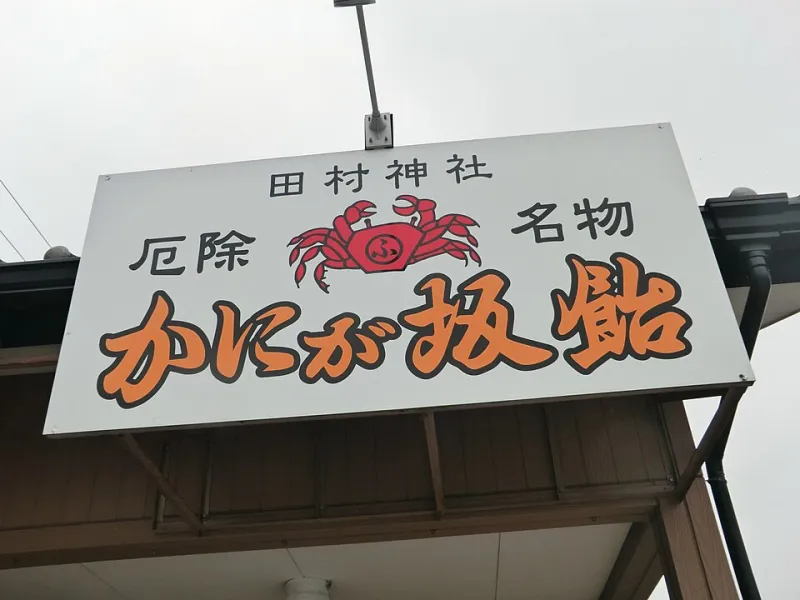
Photo: Motokoka, CC BY-SA 4.0, via Wikimedia Commons
There's a certain irony happening right now in Tokyo's snack aisles. While American candy fans are busy hunting down Japan-exclusive Kit Kats and limited-edition Pocky, Japanese confectionery companies have been running their own quiet experiment — taking beloved American candy brands, stripping them down to their cores, and rebuilding them from scratch for Japanese palates.
The results? Often barely recognizable. And somehow, kind of brilliant.
This isn't a story about knockoffs or lazy licensing deals. It's about what happens when a culture obsessed with precision, restraint, and flavor complexity gets its hands on candy that was originally designed to be loud, sweet, and uncomplicated. Spoiler: things get interesting fast.
The Takeover You Didn't See Coming
Let's back up a little. Over the past few decades, several major Japanese food conglomerates have acquired or entered licensing agreements with American candy brands — sometimes buying them outright, sometimes partnering with US parent companies to manufacture and distribute locally. Names like Morinaga, Meiji, and Lotte have all played the field here, often taking familiar American brand equity and quietly redirecting it toward Japanese consumer preferences.
What makes this particularly fascinating is the degree of reformulation involved. We're not talking about swapping out one type of sugar for another. Japanese versions of American candy staples frequently feature reduced sweetness levels, entirely new flavor categories (think yuzu cream, hojicha, or black sesame), smaller portion sizes, and packaging that leans heavily into seasonal aesthetics. The brand name might be the same, but the product inside is operating by a completely different rulebook.
Take the well-documented case of certain American chocolate brands sold in Japan. The cocoa ratios shift. The sugar content drops noticeably. Even the texture changes — Japanese consumers tend to prefer a smoother, less waxy mouthfeel, so manufacturers often adjust the fat composition accordingly. It's the same logo on the wrapper, but your taste buds would clock the difference immediately.
Why Japanese Companies Think They Can Improve on American Candy
To understand the logic here, you have to understand a core principle of Japanese food culture: kaizen, or the philosophy of continuous improvement. Japanese manufacturers don't approach a product — any product — as finished. They approach it as a starting point.
When a Japanese company looks at an American candy brand, they're not seeing something perfect that needs to be preserved. They're seeing raw potential. American candy, historically speaking, was engineered around maximalism — maximum sweetness, maximum shelf life, maximum visual impact. That formula worked brilliantly for the US market. But Japanese consumers have consistently signaled that they want something different: subtlety, craftsmanship, and flavor depth over sugar-forward intensity.
So Japanese manufacturers do what they do best. They dial things back, layer in complexity, and repackage the whole thing with the kind of visual care that makes you want to frame the wrapper before you open it.
The result is a product that often outperforms its American counterpart on taste metrics that Japanese consumers actually care about — and that's not an accident. It's the outcome of deliberate, data-driven reformulation backed by serious R&D investment.
The Collector Economy Flips Direction
Here's where it gets really interesting for the American snack community. For years, the collector dynamic has run in one direction: Americans hunting down Japan-exclusive treats unavailable back home. But something has shifted.
A growing number of American candy enthusiasts — the same crowd that religiously tracks seasonal Kit Kat releases and camps out for Shibuya Honey Toast — have started importing these Japanified American candy products specifically because they're curious about the transformation. They want to do a side-by-side. They want to taste the delta.
Reddit threads dedicated to Japanese snack imports now regularly feature comparison posts where collectors buy the Japanese-market version of a US candy and document the differences with almost scientific rigor. Flavor notes, texture comparisons, packaging breakdowns — it's genuinely impressive. And the consensus is almost always the same: the Japanese version hits differently, and not just because it's novel.
This reverse collector economy is still niche, but it's growing. And it says something meaningful about how American snack culture is evolving — there's real appetite for candy that rewards attention, that has layers, that doesn't just blast your palate with sweetness and call it a day.
What the Flavors Actually Reveal
The flavor choices Japanese companies make when adapting American candy are a window into some genuinely revealing cultural contrasts.
American candy tends to anchor itself in nostalgia flavors — strawberry, watermelon, grape, blue raspberry. These are flavors designed to trigger an emotional response, to taste like summer or childhood or a county fair. They're intentionally simple and immediately recognizable.
Japanese adaptations of those same brands frequently move toward flavors that require a little more context to appreciate. Roasted green tea. Salted cherry blossom. Sweet potato with a hint of miso. These aren't flavors that hit you over the head — they unfold. They ask something of the person eating them.
That distinction reflects a broader cultural orientation toward food as an experience rather than just a product. Japanese confectionery has always operated this way, which is partly why it resonates so deeply with American foodies who are tired of candy that tastes like it was designed by an algorithm.
The Marketing Machine Is Just as Different
Beyond the product itself, the marketing strategies Japanese companies use for these adapted American brands are worth paying attention to. Where American candy advertising leans into energy, humor, and broad demographic appeal, Japanese campaigns for the same brands tend to be quieter, more atmospheric, and heavily seasonal.
A product might be positioned around a specific time of year — cherry blossom season, the arrival of autumn, the first cold snap of winter. The emotional register is wistful rather than hype-driven. The imagery is soft and considered. It's a completely different emotional pitch for what is, technically, the same brand.
For American collectors who track these campaigns through Japanese social media, the contrast is striking. And it reinforces something that the candy itself already communicates: this isn't the same product. It's been rethought for a different kind of consumer.
Why This Matters for American Snack Culture
The candy flip phenomenon isn't just a fun piece of food trivia. It's actually a useful lens for thinking about where American snack culture might be heading.
Consumers here are increasingly interested in products with craft behind them — things that reflect genuine thought about flavor, texture, and presentation. The explosive growth of Japanese candy imports in the US isn't unrelated to this. People are gravitating toward snacks that feel considered.
If Japanese companies can take American candy concepts and make them more interesting for their own market, that's a signal worth paying attention to. Not because American candy is bad — it's not, and we'll defend a good Reese's until the end — but because there's clearly room to think bigger about what candy can be.
Tokyo figured that out a long time ago. The fact that they're now applying it to American brands, and that Americans are starting to notice, feels like the beginning of something.
Keep your eyes on those import shelves.