Scroll, Snack, Repeat: How TikTok Turned Japanese Candy Into the Internet's Favorite Obsession
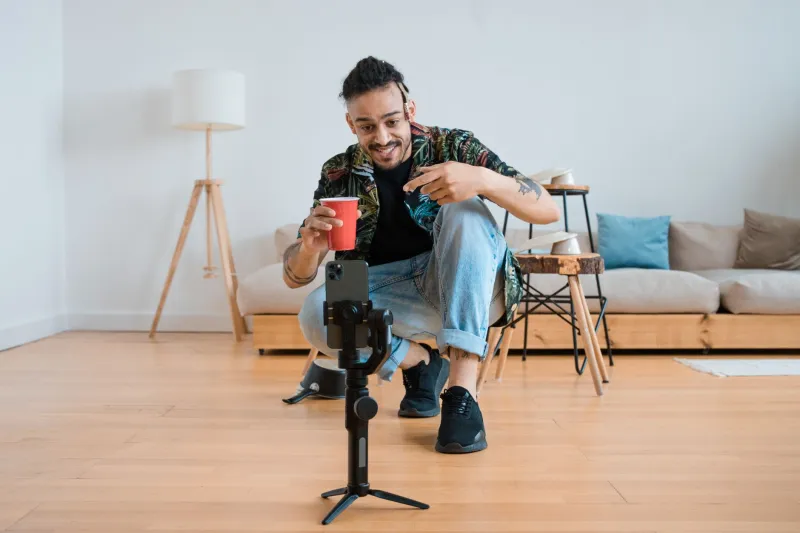
Somewhere between a satisfying ASMR crunch and a miniature DIY science experiment, Japanese candy found its people. Not in a specialty import store. Not at a Japanese grocery tucked into a strip mall. On TikTok — where a 22-year-old in Ohio can introduce millions of followers to a snack they've never heard of, and by the end of the week, that snack is sold out across three continents.
This isn't a fluke. It's a full-on cultural moment, and Japanese candy is sitting right at the center of it.
The Perfect Storm of Novelty and Nostalgia
There's something almost algorithmically engineered about Japanese candy — even though it obviously predates the algorithm by decades. The bright packaging, the tiny portions, the theatrical preparation rituals. Kracie's DIY candy kits literally ask you to perform your snack before eating it. You're mixing powders, shaping miniature hamburgers, watching something transform in real time. For a platform built on visual payoff, that's basically catnip.
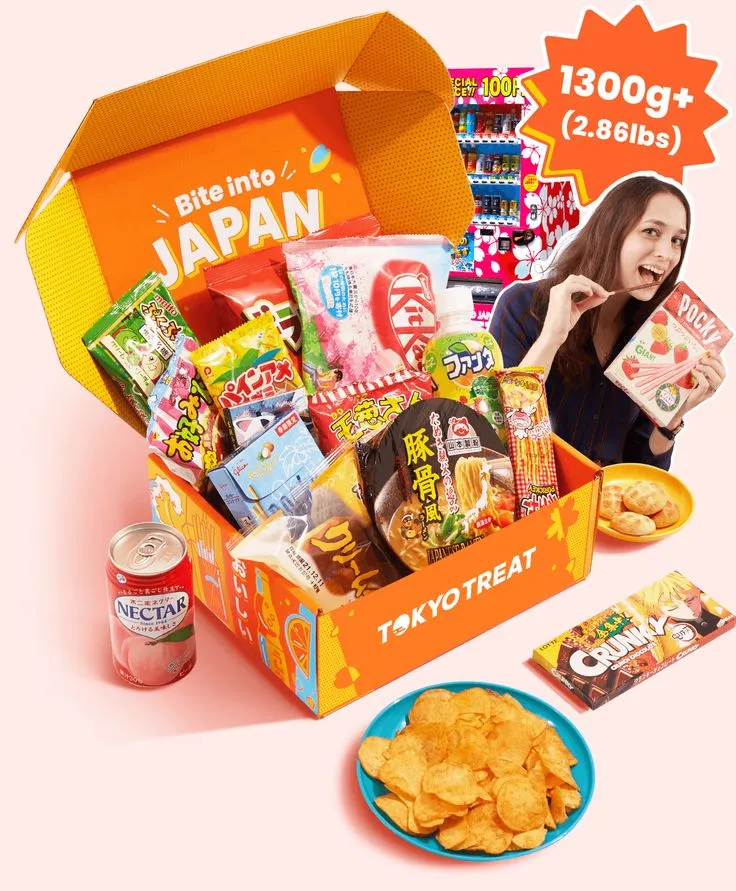
Content creators have caught on in a big way. Channels dedicated entirely to Japanese snack unboxings regularly pull hundreds of thousands of views per post. Some have crossed the million-follower mark without covering anything other than candy hauls from Tokyo's Shibuya neighborhood or monthly subscription boxes shipped straight from Japan.
The formula isn't complicated: open something unfamiliar, react genuinely, let the camera do the rest. But the reason it works goes a little deeper than good lighting.
Authenticity Is the Algorithm's Love Language
Gen-Z has a finely tuned radar for anything that feels staged or performative — and yet Japanese candy content consistently reads as real. Part of that is because the products themselves are genuinely surprising. When you bite into a Meiji Takenoko no Sato and the chocolate-to-cookie ratio hits differently than any American candy bar you've ever had, that reaction is hard to fake. Viewers can tell.
Creators who've built audiences around Japanese sweets say the key is leaning into the learning curve. You don't have to be an expert. In fact, being a first-timer is often the whole point.
"People want to discover things alongside you," says one NYC-based creator who runs a snack-focused TikTok account with over 400,000 followers. "When I tried Shrimp Flavored Chips for the first time on camera and made a face, that video got shared more than anything I'd posted in months. It wasn't polished. It was just honest."
That honesty maps perfectly onto what Japanese candy culture actually celebrates: craftsmanship, surprise, and the quiet joy of a well-made small thing. Tokyo's candy scene has always been about the details — the seasonal flavors, the regional exclusives, the limited-edition packaging that turns a snack into a collectible. TikTok just gave that philosophy a global stage.
Anatomy of a Viral Candy Moment
So what actually makes a Japanese candy video blow up? After scrolling through thousands of posts (yes, really), a few patterns emerge.
The transformation hook. Videos that show a before-and-after — whether it's a DIY candy kit going from powder to finished product, or the cross-section reveal of a perfectly layered wagashi — consistently outperform static taste tests. Movement and change are irresistible to the human eye, and Japanese confectionery is full of both.
The unexpected flavor combo. Matcha white chocolate. Yuzu gummy. Wasabi Kit Kat. American audiences are primed to be surprised by Japanese flavor profiles, and that surprise translates directly into shares. When something defies expectations — in a good way or a weird way — people want their friends to know about it.
The cultural context drop. Creators who take 10 seconds to explain why a candy exists — like how Pocky's slim, shareable design was intentional, or how sakura-flavored snacks are tied to cherry blossom season — see significantly higher comment engagement. People don't just want to eat vicariously. They want to learn something.
The scarcity signal. "This is only available in Japan" is practically a call to action on its own. Limited availability doesn't kill interest — it amplifies it. Some of the most-viewed Japanese candy content features snacks that are genuinely difficult to get in the US, which sends viewers straight to import sites and subscription boxes.
The Ripple Effect on the Market
This isn't just a content trend. It's reshaping how Japanese candy moves in the American market. Import retailers report measurable spikes in sales following viral moments — sometimes within hours of a video posting. Subscription box companies have started timing their shipments and social campaigns around anticipated viral cycles, essentially treating TikTok as a demand-generation engine.
Japanese candy brands themselves have started paying attention. While most traditional confectionery companies in Japan weren't exactly building TikTok strategies five years ago, the export conversation has shifted noticeably. Products that photograph well, that have a story, that do something visually interesting — those are the ones getting international distribution deals.
In a way, TikTok has become a kind of crowdsourced market research tool for the Japanese snack industry. If a video of someone losing their mind over a limited-edition Hokkaido milk candy gets 3 million views, that's real data.
What This Means for the Culture
There's a version of this story that ends with Japanese candy becoming over-commercialized, stripped of context, reduced to aesthetic props for content farms. That's a legitimate concern worth naming. When culture gets algorithmically processed, nuance tends to be the first casualty.
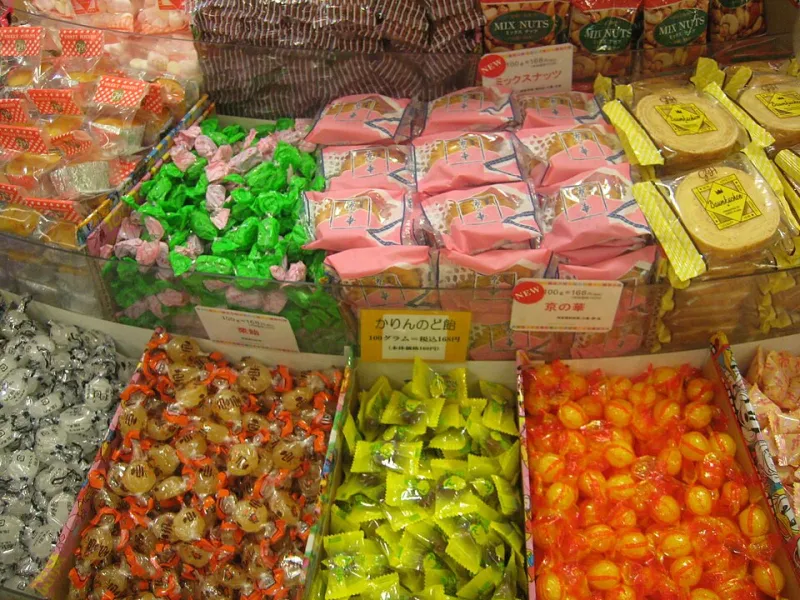
But for now, the dominant energy in this space still feels genuinely curious and respectful. The creators gaining real traction are the ones who treat Japanese candy as what it actually is — a meaningful expression of a food culture that takes sweetness seriously. They're not just chasing views. They're building communities of people who are now buying Japanese snacks, reading about Tokyo's confectionery districts, and planning trips specifically to visit Ameyoko market or the Kit Kat specialty shop in Ikebukuro.
That's not a bad outcome for a 30-second video.
Japanese candy was always this good. TikTok just made sure the rest of the world finally noticed.