Five Bucks for a Plastic Ball: The Wild Economics of America's Gachapon Takeover
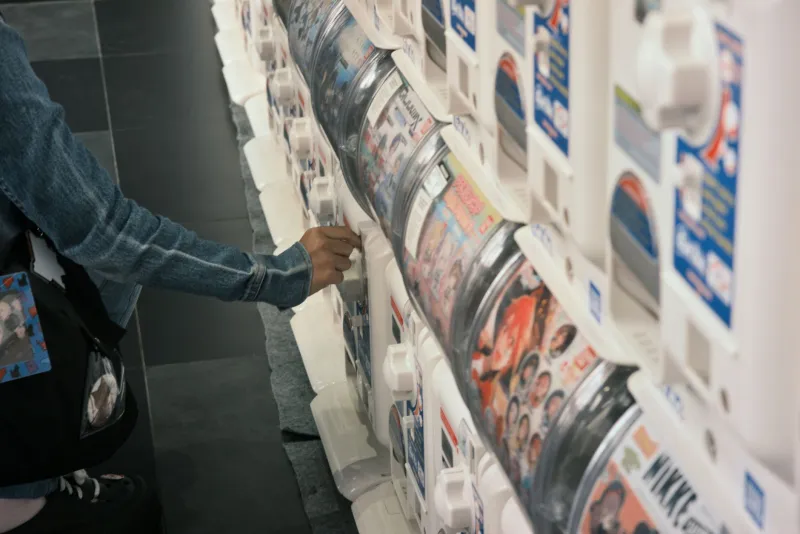
There's a machine at the Mall of America that will sell you a tiny plastic ramen bowl for six dollars. Not real ramen — a two-inch replica, sealed inside a capsule, dispensed with a satisfying ka-chunk. People line up for it. Some run the capsule back through the machine three times, chasing a rare variant.
If you've been to Tokyo, you know the ritual. Gachapon machines — the crank-and-drop capsule dispensers named for the gacha-gacha sound of the crank — are as ubiquitous in Akihabara as vending machines. There, a spin costs 200 to 400 yen. Roughly $1.50 to $2.75. In the US, that same spin often runs $4 to $6, and Americans are paying it happily. So what exactly are we buying?
The Capsule Is the Product. The Candy Is the Receipt.
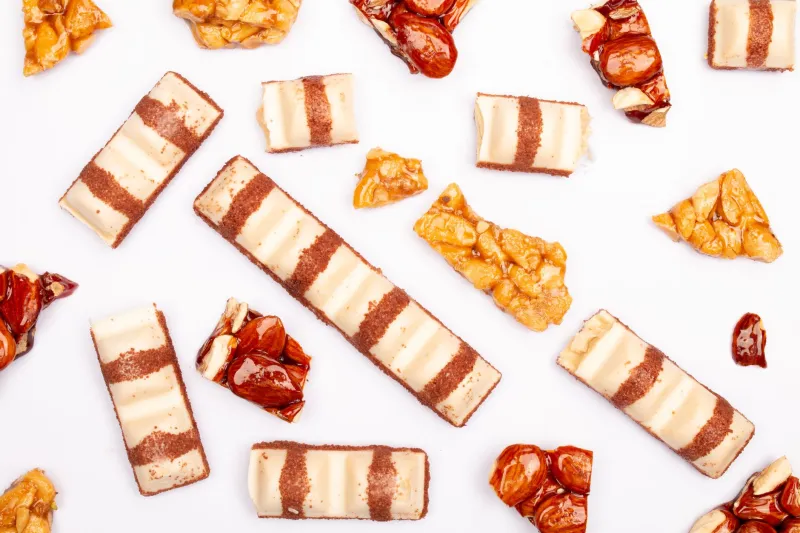
Here's the funny thing about American gachapon: the candy inside is usually an afterthought. Open a typical stateside capsule and you'll find a few pieces of shelf-stable Japanese candy — a grape Kit Kat mini, a handful of konpeito, a Ramune tablet that fizzes like Pop Rocks' polite cousin. It's fine. It's not why you paid.
You paid for the toy. The figurine, the keychain, the tiny licensed doodad from a franchise you love. The candy functions more like a palate cleanser, a little snack to enjoy while you admire your prize. It's the inverse of the classic American gumball machine, where the gum was the point and the toy (a plastic ring, maybe) was filler.
There's real psychology at work here. Behavioral economists call the gacha model a variable-reward loop — the same mechanism that makes slot machines and blind-box toys so sticky. You don't know what's inside until the capsule drops. That uncertainty triggers a dopamine spike that a fixed purchase simply can't match. The candy is almost a guilt-absorber: I didn't just gamble $5, I bought a snack and got a prize.
What's Actually Inside the Machine
The gachapon supply chain is a genuinely interesting piece of global logistics. Most machines in the US are stocked by a handful of distributors importing directly from Japanese manufacturers like Bandai and T-Arts, then pairing the toys with candy that clears FDA labeling requirements. That last part matters more than you'd think — a lot of Japanese candy can't legally be sold loose in US machines because of ingredient and labeling rules, so distributors often swap in US-compliant versions of the same treats.
That's why the grape candy in your Mall of America capsule might taste slightly different than the one you bought in Shibuya. Same brand, different recipe, tweaked for American import rules. (We've covered this wrapper-swap phenomenon before — it's one of the most common surprises for first-time buyers of Japanese snacks stateside.)
Where to Hunt Capsules in the US
Not all gachapon outposts are created equal. If you want the closest thing to an Akihabara experience without a passport:
- Japanese grocery chains like Mitsuwa and H Mart locations often host authentic imported machines with real Japanese pricing energy — better toys, better candy, occasionally better odds.
- Arcades and bowling alleys in cities with big Japanese communities — Torrance, California; Edgewater, New Jersey — get first pick of new machine series.
- Airport terminals have become unlikely gachapon hotspots, especially at LAX and JFK, where a $6 capsule is somehow the most reasonable souvenir on the menu.
- Anime conventions are the wild west: vendors bring limited-run Japanese machines, and the capsule contents can include candy you will not find anywhere else in the country.
Is the Markup Worth It?
Let's do the math without judgment. A 200-yen spin in Tokyo converts to about $1.35, plus airfare. A $5.50 spin at your local mall requires zero yen and zero jet lag. Yes, you're paying roughly a 300% premium. You're also paying for refrigerated shipping, FDA compliance, distributor margins, and the machine's cut of the mall rent — that last one is not small.
And honestly? The premium might be the point. Part of gachapon's American appeal is that it's an affordable souvenir of a place you may never visit. Five dollars is the price of a fancy latte, and unlike the latte, you get a tiny plastic sushi and a handful of sakura candy out of it.
The capsule economy isn't slowing down. New machines are being engineered for Western audiences, candy makers are developing US-compliant products specifically for capsule distribution, and every airport install feeds the loop. Somewhere out there, a kid just cracked open a capsule, popped a grape candy in their mouth, and became a customer for life.
Ka-chunk.