The Gift That Doesn't Melt: Sorting Your Tokyo Candy Haul by Who You're Actually Shopping For
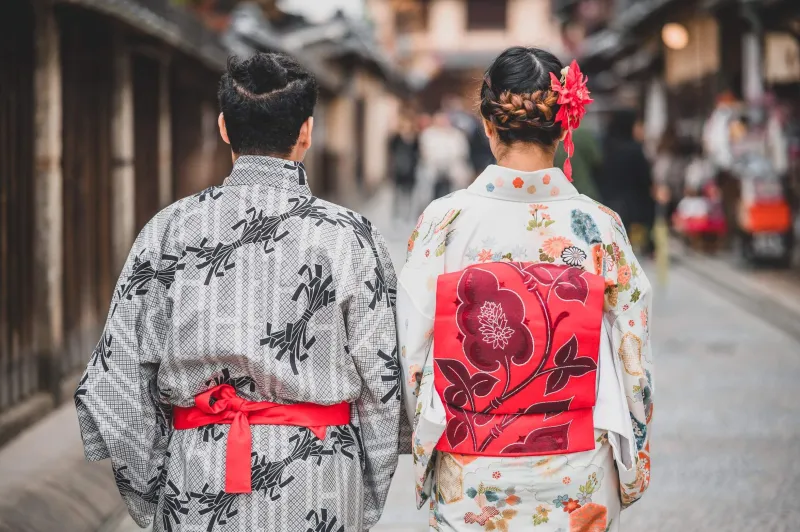
Photo: Japanese souvenir candy gift boxes wrapped in washi paper on a table, via i.shgcdn.com
Every Tokyo trip ends the same way: you're standing in a drugstore candy aisle at 10 p.m., holding a basket, trying to remember whether your boss is the type who'd be insulted by a box of Pocky or relieved by it. You have eleven people to shop for, roughly three pounds of usable suitcase space, and a flight in the morning.
Here's the thing nobody says out loud: a candy souvenir isn't really about candy. It's a relationship signal, wrapped in washi paper, priced between 300 and 1,800 yen. Get the tier right and a five-dollar box of rice crackers reads as thoughtful. Get it wrong and a forty-dollar box of nama chocolate reads as either weirdly intimate or weirdly thoughtless, depending on who's opening it.
So let's sort the list.
Tier One: The Obligatory Giftees
Your manager. The two people on your team who covered your Slack while you were gone. The front desk. Anyone where the gift is really a thank-you note with a snack attached.
What this tier needs is individually wrapped, shelf-stable, and shareable — something that can sit on a communal table for a week without anyone worrying about it. Karinto (those dark, crunchy fried-dough sticks) is ideal. So is konpeito, the star-shaped sugar candy that looks like it costs more than it does, and small tins of matcha-flavored hard candy.
Black Thunder bars are the sleeper pick here. They're cheap, they're chocolate, they're sold in multipacks, and they have a name that makes people laugh. Buy ten.
One etiquette note: bring this tier in open, not sealed. A box that nobody feels permitted to open is a box that goes home with your manager and dies in a drawer. The whole point is the communal unwrapping.
Tier Two: Neighbors and the I-Owe-You List
These are people you like but don't know well enough to hand them something perishable. The gift should be small, tidy, and not require countertop real estate.
Boxed monaka — the wafer shells filled with sweet azuki paste — land well here, as does a nice tin of yokan if you're fairly confident about the recipient's palate. (If you're not, skip the yokan. The texture is a coin flip for first-timers, and a rejected gift is worse than a boring one.)
This is the tier where a two-sentence story does the most work. "The shop near the station has been making these since the 1950s" turns a 600-yen box into an object of interest. People don't want expensive. They want specific.
Tier Three: The Person Who Swears They Don't Like Sweets
This is the fun tier, and it's where most travelers bottle it and buy another box of Pocky.
Don't. Go savory. Shichimi-dusted rice crackers, soy-sauce senbei, arare, kinako-dusted anything. Salty, toasty, textural — and genuinely surprising to an American palate that expects "candy" to mean "sugar." A small bag of good rice crackers has never once been regifted.
Alternative move: one good bar of bean-to-bar chocolate with an unusual origin note, and no explanation. Savory-leaning people tend to respond to craft more than to cuteness.
Tier Four: The Inner Circle
Now you can spend. This tier is for the people who will actually be excited about what you picked, which means you can buy the fragile, the perishable, and the regional.
Tokyo Banana is the obvious play, and it's fine — but note the shelf life, which is often measured in days, not weeks. Buy it on your last day. Nama chocolate needs to be kept cool and eaten fast; it is not a souvenir so much as a dare. Regional Kit Kat flavors are perfectly good here, especially the ones you can't get on the import sites, because the whole value is "I was there and you weren't."
The Flight Test
A quick reality check on what survives 12 hours in a pressurized tube and a two-hour drive from the airport:
- Indestructible: karinto, konpeito, hard candy, sealed senbei, freeze-dried anything.
- Mostly fine: chocolate in a checked bag during cool months, tins of cookies, boxed monaka if it's packed in the middle of soft clothes.
- Risky: anything chocolate in July, pressed sugar sweets that shatter, soft mochi that dries out.
- Do not attempt: fresh dorayaki with a two-day life, cream-filled pastries, anything the shop wrapped with obvious pride and a refrigerate-immediately sticker.
Pack the boxed tier in the center of your suitcase, not the outer shell. Nothing ruins a souvenir faster than a crushed corner on a gift box.
The Packaging Is Half the Gift
Here's the etiquette piece that trips up most visitors: in Japan, the wrapping is not decoration, it's part of the product. Do not unwrap the washi paper to "check" anything. Do not remove the shop's sticker. Do not consolidate four small boxes into one Ziploc to save space.
Hand it over as it was handed to you, and mention where you got it. That's it. That's the move.
One Rule That Beats Every Tier
Buy at least one thing you'd be genuinely sad to give away. Not for anyone in particular — just for yourself. You're going to spend the whole flight thinking about it, and that's the correct amount of attachment to have to a bag of miso caramel.
Well. Buy two.