The Candy That Won't Wait for You
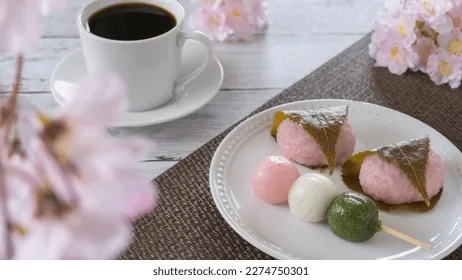
Photo: seasonal japanese sweets sakura mochi minimalist table, via www.shutterstock.com
I found a pack of sakura Kit Kats in my desk drawer last month. I bought them in Tokyo. Three years ago.
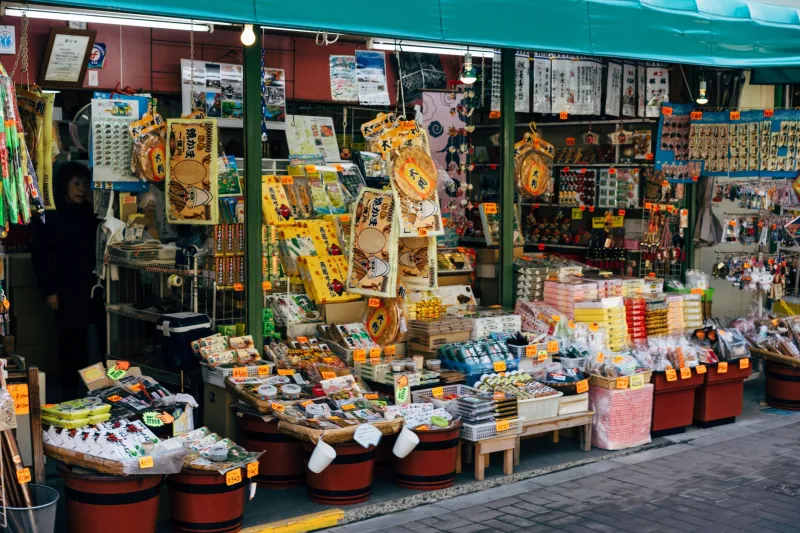
They were fine. That's the problem. A candy that survives three years in a desk drawer isn't telling you anything new — it's just waiting, patiently, forever, like a Twinkie in a bomb shelter. Meanwhile, the seasonal sakura sweets I ate in Nakamise-dori that spring were gone within a week of their production run. I still think about them.
That contrast got me thinking about something I'd never questioned: why does American candy seem designed to outlive us?
The Forever-Shelf Problem
American snack culture is built on permanence. We want our favorites available everywhere, always, in the same packaging, tasting exactly the same as they did in 1997. The Twinkie is our national mascot for a reason — a food so committed to immortality that it became a punchline about apocalypse preparedness.
There's comfort in that, sure. But there's also something a little dead about it. Nothing about a shelf-stable-forever candy asks anything of you. You can ignore it indefinitely. It will never make a claim on your attention.
Japan's Seasonal Clock
Japanese confectionery runs on a different logic — one rooted in wabi-sabi, the aesthetic appreciation of impermanence. Sakura treats bloom in spring and vanish. Summer brings limited yuzu and shikuwasa editions. The autumn sweet potato wave, the winter strawberry rush — each appears, peaks, and disappears on schedule.
And it's not just seasons. Limited production runs, regional exclusives, station-specific editions — huge swaths of Japanese candy are designed to be unrepeatable. Buy it now or miss it forever.
My first reaction as an American consumer was frustration. What do you mean I can't just order this in July? But frustration slowly turned into something else: attention. When a candy might not exist next month, you taste it differently. You're present for it.
Eating on Borrowed Time
Here's what changed for me after a few years of importing this mindset: I stopped buying candy to stockpile and started buying candy to eat. A short shelf life sounds like a flaw until you realize it's an invitation. The best-by date isn't a warning — it's a gentle nudge that says this is good now, and now is when you should enjoy it.
I've started applying it beyond candy, honestly. The fancy chocolate from the local maker that's only fresh for two weeks? I eat it that week. The seasonal fruit? It gets a spotlight instead of wilting in the crisper drawer while a bag of shelf-stable nothing outlives us all.
What We Lose With Immortal Snacks
I'm not here to demonize preservatives — food science keeps people fed, and I'm not writing this from a mountaintop. But there's a real trade-off when every snack is engineered for indefinite survival: we train ourselves to treat food as inventory rather than experience. The candy in my drawer wasn't being saved for anything. It was just... deferred. Endlessly.
Japanese candy culture, at its best, refuses that deferral. It says the moment matters, the season matters, and the sweet thing in your hand is worth your full attention right now because it will not be here later.
That drawer Kit Kat? I finally threw it out. Then I ordered a fresh box of the current season's flavor, and I'm eating them one at a time, on purpose, before they're gone.
Because they will be gone. That's kind of the whole point.