The Stress Test Kitchen: What Freezing, Microwaving, and a Cheap Dehydrator Do to a Tokyo Candy Haul
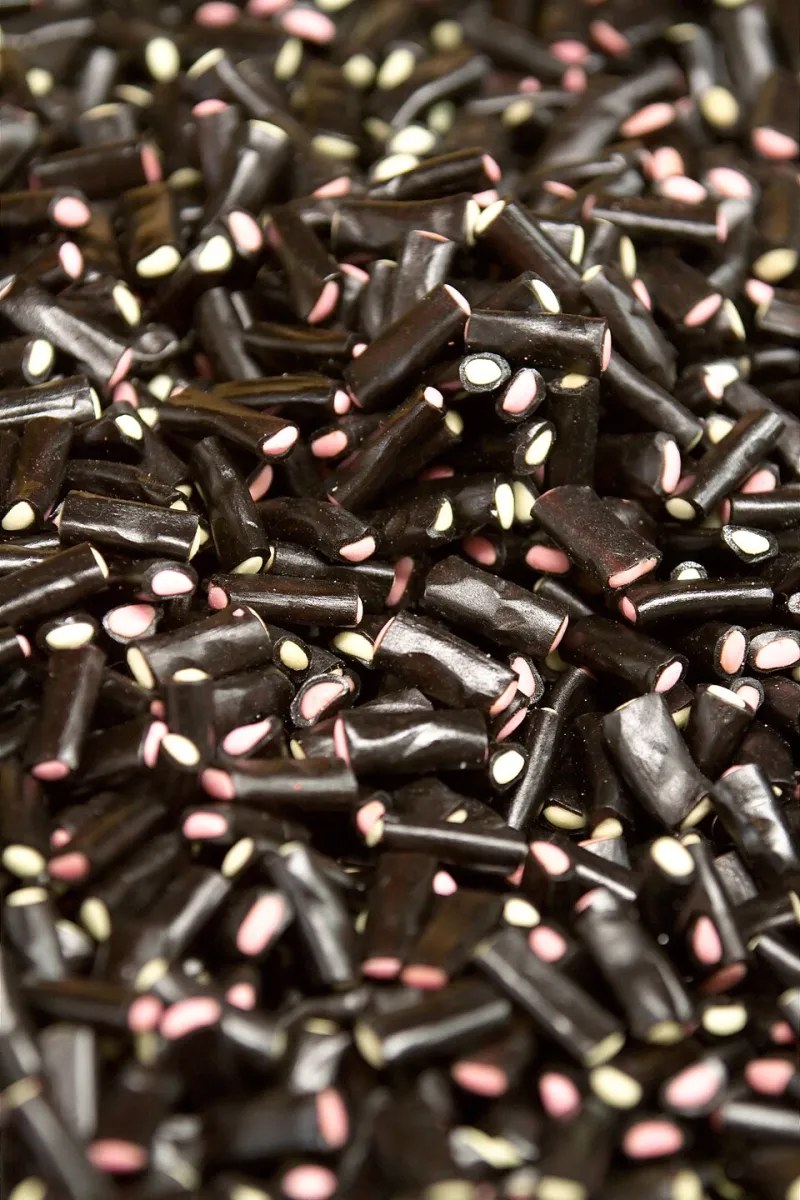
Photo: Georges Seguin (Okki), CC BY-SA 3.0, via Wikimedia Commons
I am not a food scientist. I am a person with a microwave, a freezer, a dehydrator, and a small box of Tokyo candy that I was willing to sacrifice for journalism. The goal was simple: find out what happens to Japanese sweets under stress before you accidentally ruin a whole import order.
This is not a rigorous study. There is no control group, no lab coat, and no grant funding. There is, however, a sheet pan, a timer, and a growing suspicion that chocolate should not be microwaved. Here is what I learned.
The Test Subjects
I used a small, representative haul: Hi-Chew, Pocky, Kit Kat Mini, konpeito, a mochi-type sweet, a gummy, and a senbei rice cracker. I kept portions small. I did not test anything in its original packaging, and I did not microwave anything metal. Safety note: microwaving candy can create molten sugar that burns, so use short bursts, let things cool, and do not bite into anything that just came out of the microwave.
Experiment 1: The Freezer
The freezer is the safest stress test. I put each candy on a plate for 30 minutes.
Hi-Chew got hard and then returned to chew once it warmed up. It was actually pleasant, like a tiny taffy. Pocky was fine, though the chocolate bloomed slightly. Kit Kat Mini was also fine, but the wafer softened. Konpeito did nothing, which is exactly what you want from a sugar crystal. The mochi-type sweet became hard and unpleasant until I let it sit. The gummy became stiff and chewy, which some people will love. The senbei got cold and sad.
Takeaway: freezing is a good way to change texture without destroying candy. It is also a good way to hide a stash from yourself if you forget it is in there.
Experiment 2: The Microwave
I used five-second bursts at 50 percent power. This is still risky. Do not walk away. Do not use a fork. Do not test this with anything foil-wrapped.
Hi-Chew turned into a hot, stretchy blob. It was delicious for about two seconds, then it became a dental hazard. Pocky chocolate melted into a glossy puddle and the biscuit went soft. Kit Kat Mini did the same, but faster. Konpeito did not melt in five seconds; it just got warm. The mochi-type sweet became gooey and wonderful, the way mochi does when you microwave it for a few seconds. The gummy melted into a bright puddle. The senbei got chewy and strange.
Takeaway: the microwave is not a candy oven. It is a texture weapon. Use it for mochi, not for chocolate. If you want melted chocolate, use a double boiler or a bowl over hot water.
Experiment 3: The Dehydrator-ish Test
I do not own a freeze-dryer, so I used a food dehydrator on its lowest setting for a few hours and a sealed container with silica gel for a week. This is not true freeze-drying. It is more like a very boring spa day for candy.
Konpeito was unchanged, which makes sense. The gummy turned into a hard, glassy shard. It was interesting but not delicious. The mochi-type sweet dried into a chewy disc. The senbei got extra crunchy. Pocky and Kit Kat Mini did not benefit; the chocolate got dull and the wafer got stale. Hi-Chew became tough.
Takeaway: freeze-drying is best left to professionals with actual equipment. If you want crunchy candy, buy crunchy candy. Do not turn a $6 import into a science fair project unless you are ready for the results.
What Actually Worked
The freezer was the clear winner for texture experiments. Frozen gummies are a great summer snack. Frozen Hi-Chew is a fun change. A five-second microwave burst is a legitimate trick for mochi and mochi-type sweets, but it is not a universal fix. The dehydrator was mostly a way to make candy sad.
The Takeaways for Your Own Kitchen
Buy one small bag of each candy you want to test. Do not sacrifice your whole haul. Keep portions tiny. Use a paper plate and a timer. Let hot candy cool before you touch it. And write down what you did, because you will forget whether that was five seconds or fifteen.
Tokyo candy is designed to be eaten as-is, but that does not mean you cannot play with it. Just play carefully. The best stress test is the one that ends with a snack, not a burn.